News Detail
Why Does Sight Glass Sometimes “Self-Explode”? Causes and Preventive Measures
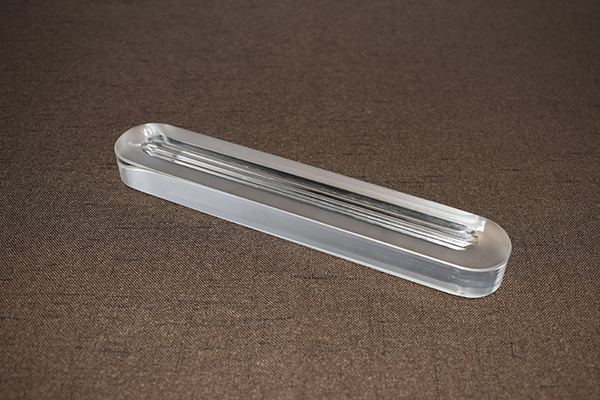
Sight glass used in industrial equipment may occasionally fail suddenly without obvious external impact—a phenomenon often described as “self-explosion.” In reality, this is not random. It is usually the result of accumulated stress, material defects, or improper operating conditions reaching a critical point.
One of the primary causes is residual internal stress. During manufacturing, if the glass is not properly annealed, uneven cooling can leave hidden stress inside the material. Under normal conditions, the glass may appear stable, but when combined with pressure or temperature changes, these stresses can trigger sudden fracture.
Thermal shock is another major factor. Rapid temperature changes—such as exposure to cold fluid on a hot surface—create uneven expansion or contraction. This generates internal stress that can exceed the strength of the glass, leading to instantaneous cracking.
Mechanical stress concentration also plays a critical role. Improper installation, uneven bolt tightening, or excessive clamping force can create localized الضغط on the glass. Since glass is sensitive to tensile stress, these concentrated forces can initiate cracks that propagate quickly.
Edge defects and surface damage significantly increase risk. Small chips, scratches, or microcracks—especially at the edges—act as weak points. Over time, under pressure or thermal cycling, these defects can grow and cause sudden failure.
In some cases, material inclusions or impurities within the glass can also lead to spontaneous breakage. These internal defects disrupt the uniform structure and create stress concentration points.
Pressure fluctuations or operation beyond design limits further increase the likelihood of failure. Repeated loading and unloading cycles can lead to fatigue, even if each individual load is within nominal limits.
Preventive Measures
To minimize the risk of sight glass “self-explosion,” several key practices should be followed:
- Ensure proper annealing and quality control during manufacturing to eliminate residual stress
- Use appropriate glass materials (e.g., borosilicate or quartz) based on operating conditions
- Apply precise edge processing to remove defects and reduce stress concentration
- Install correctly, ensuring uniform tightening and proper gasket support
- Avoid rapid temperature changes to reduce thermal shock risk
- Operate within design pressure limits and avoid sudden pressure fluctuations
- Conduct regular inspections to detect scratches, cracks, or signs of wear early
Glass failure is rarely spontaneous—it is the result of identifiable and preventable factors.