News Detail
Why Are Borosilicate Glass Tubes Less Likely to Shatter?
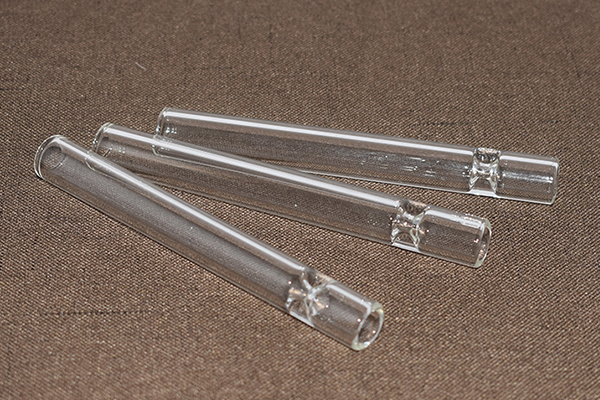
Borosilicate glass tubes are widely used in laboratories, industrial equipment, lighting systems, and chemical processes because they are known for being more resistant to cracking and sudden breakage than ordinary glass. This superior performance comes from their unique material composition and thermal-mechanical properties.
1. Low Thermal Expansion Coefficient
The most important reason is their low coefficient of thermal expansion. Borosilicate glass expands and contracts much less when temperatures change compared with ordinary soda-lime glass.
This means when the tube is heated or cooled quickly:
- Less internal stress is generated
- Uneven expansion is reduced
- Cracking risk from thermal shock is much lower
That is why borosilicate tubes are ideal for heating, sterilization, and temperature cycling applications.
2. Better Thermal Shock Resistance
Rapid temperature change is a common cause of glass failure. Borosilicate glass can tolerate much larger temperature differences without breaking. For example, moving from hot process conditions to cooler environments is far safer than with standard glass.
3. More Stable Chemical Composition
Borosilicate glass contains silica plus boron oxide, which creates a more stable glass network structure. This improves durability, heat resistance, and resistance to stress-related fracture.
4. Lower Residual Stress After Proper Processing
When manufactured correctly and properly annealed, borosilicate glass tubes retain lower internal residual stress than poorly processed common glass. Lower hidden stress means a lower chance of spontaneous cracking during service.
5. Good Mechanical Reliability for Industrial Use
Although all glass is brittle and can still break under strong impact, borosilicate glass generally performs better under combined thermal and moderate mechanical loads. It is especially reliable where both visibility and heat resistance are required.
6. Better Resistance to Surface Degradation
Many chemicals and moisture conditions that may weaken ordinary glass over time have less effect on borosilicate glass, helping preserve long-term strength.
Important Note: “Not Easy to Break” ≠ Unbreakable
Borosilicate glass tubes can still fail if exposed to:
- Strong impact
- Deep scratches or edge chips
- Excessive pressure
- Poor installation stress
- Severe localized overheating
Typical Applications
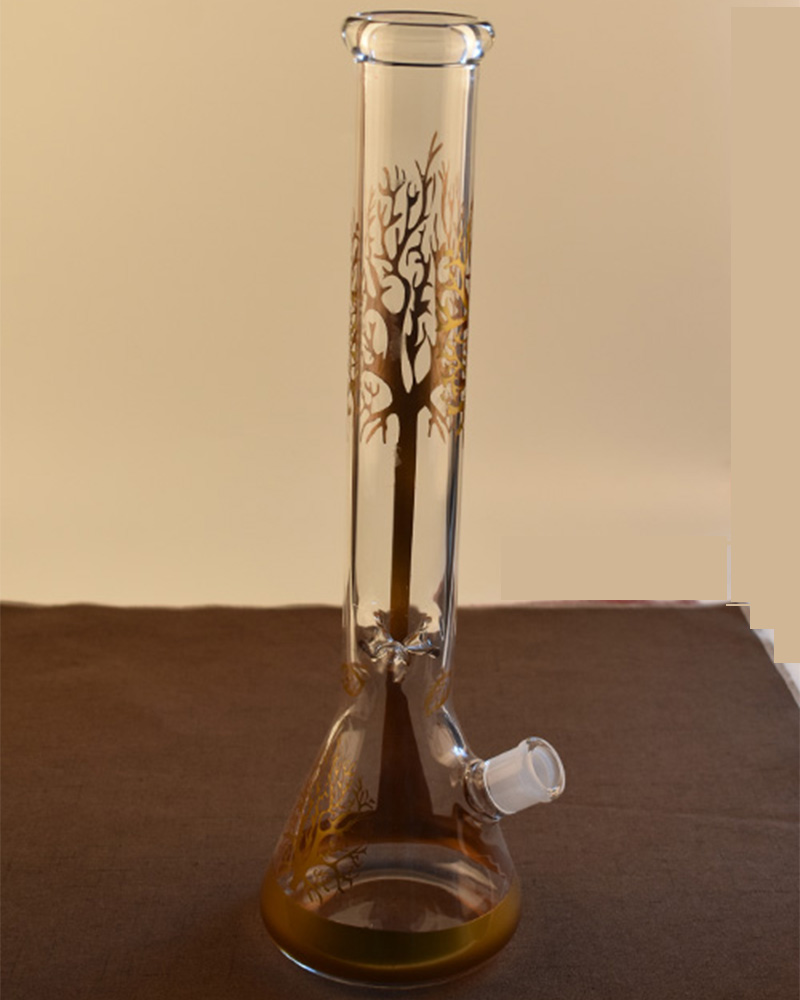
- Laboratory glassware
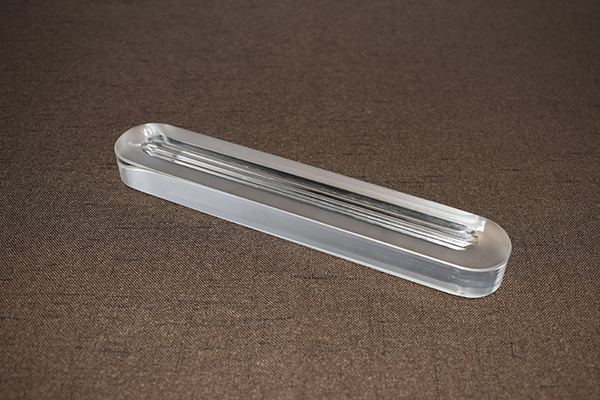
- Industrial sight tubes
- Chemical transfer systems
- Lighting components
- Heating equipment windows
Borosilicate glass is not magic—it is materials engineering that greatly reduces the causes of breakage.