News Detail
What Parameters Are Needed for Custom Sight Glass?
Ordering a custom sight glass requires careful preparation. When standard off-the-shelf options do not fit your application, providing accurate specifications ensures you receive a product that performs safely and reliably. Here is a comprehensive list of parameters you need to supply to your manufacturer.
Operating Conditions
The first and most critical parameters are the operating conditions. Provide the maximum operating pressure and temperature the sight glass will encounter, as well as the minimum temperature. Identify any pressure or temperature fluctuations that may occur. This information is essential for selecting the appropriate glass material and thickness. The pressure rating of glass decreases with temperature, so providing precise values helps the manufacturer recommend the correct solution.
Chemical Environment
List every chemical that will contact the glass, including gases, liquids, and cleaning agents. Specify concentrations and temperatures, as the corrosiveness of a chemical increases significantly with temperature. For example, borosilicate glass is compatible with most acids but is attacked by hydrofluoric acid and hot alkalis. Providing a complete chemical profile ensures the material and sealing system can withstand the environment.
Viewing Requirements
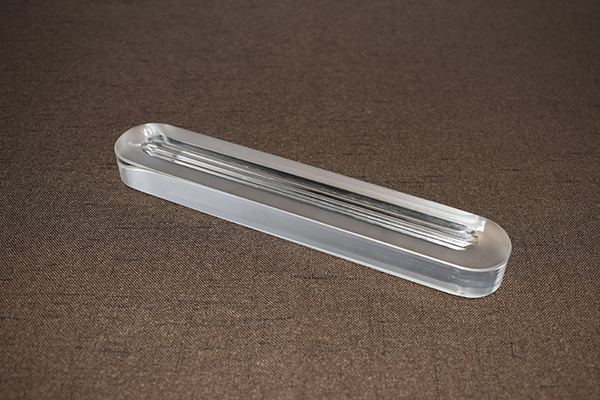
Define the visual inspection needs for your application. Specify the required viewing area, whether you need a round or rectangular shape, and the desired diameter or dimensions. If the application involves observing specific phenomena such as flow patterns, color changes, or turbulence, mention this to ensure the glass provides the necessary clarity and field of view. Consider whether UV or IR light needs to pass through the glass for spectroscopic analysis.
Glass Material and Thickness
Based on the operating conditions, choose or discuss the appropriate glass material. Common options include borosilicate glass for general applications, quartz glass for high temperatures and UV transparency, and sapphire for extreme conditions. The required thickness depends on the pressure rating and the diameter of the window. Provide the desired thickness or ask the manufacturer to recommend a thickness based on your pressure and temperature specifications.
Mounting Configuration
Provide precise details about the mounting system. Specify the flange size, bolt pattern, and type of connection (threaded, flanged, or welded). Provide dimensions for the mounting hole or the pipe size. Include any special requirements, such as a specific gasket or seal type, or the need for a viewing port with a built-in wiper or purge system.
Regulatory Compliance
Identify any regulatory standards that apply to your industry or location. Common standards include ASME for pressure vessels, PED for European markets, and DIN for German applications. If the sight glass is intended for use in hazardous areas, specify the explosion-proof certification required.
Additional Features
Consider any additional features that might be necessary. These could include integrated lighting for illuminated viewing, an anti-fog or anti-reflective coating for clarity, a wiper system for cleaning the glass in dirty environments, or a cooling jacket to protect the glass from high temperatures. Providing this information early ensures your custom sight glass is ready to work effectively from day one.
The Bottom Line
Custom sight glass fabrication requires precise specifications to ensure safety, reliability, and performance. By providing accurate details about operating conditions, chemical exposure, viewing needs, mounting configuration, and any regulatory requirements, you help the manufacturer deliver the right product the first time. Working with a technical expert can simplify the process and help you avoid costly mistakes.