News Detail
What Is the Difference Between Glass Windows and Sight Glass?
Glass windows and sight glass are both transparent components used for visual observation, but they serve different purposes and are designed with distinct technical requirements. Understanding their differences helps engineers and users choose the right solution for industrial, laboratory, or architectural applications.
1. Functional Purpose
A glass window is primarily designed for general visibility and environmental separation. It is commonly used in buildings, equipment enclosures, and protective panels, where its main function is to allow light transmission and visual access without direct exposure to internal processes.
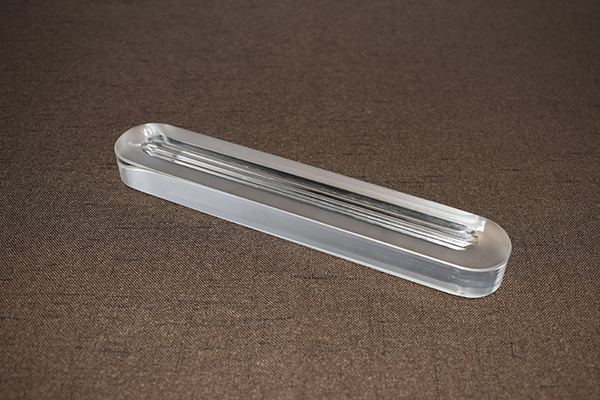
In contrast, sight glass is a functional industrial component specifically designed for process monitoring. It allows operators to observe fluid flow, liquid level, color changes, or internal reactions inside pipelines, tanks, and pressure vessels while the system is operating.
2. Structural and Mechanical Requirements
Glass windows typically experience minimal pressure and temperature stress. Standard float glass, laminated glass, or tempered glass is often sufficient.
Sight glass, however, must withstand pressure, temperature fluctuations, vibration, and chemical exposure. It is usually made from borosilicate glass or quartz glass and designed with precise thickness calculations to meet pressure ratings. Edge finishing and surface quality are strictly controlled to prevent failure.
3. Installation and Sealing
Glass windows are usually mounted using frames or adhesives and are not required to form pressure-tight seals.
Sight glass requires professional sealing systems, including metal frames, gaskets, clamps, or flanges. Uniform compression is essential to prevent leaks and ensure long-term safety.
4. Safety Standards and Testing
Sight glass is often subject to industrial standards, pressure testing, and thermal shock evaluation. Glass windows generally follow building or enclosure safety standards and are not tested for pressure resistance.
Conclusion
While glass windows focus on visibility and basic protection, sight glass is a precision-engineered component designed for real-time process observation under demanding conditions. Choosing the correct type ensures safety, reliability, and optimal performance in its intended application.