News Detail
What Are the Key Features of Explosion-Proof Sight Glass?
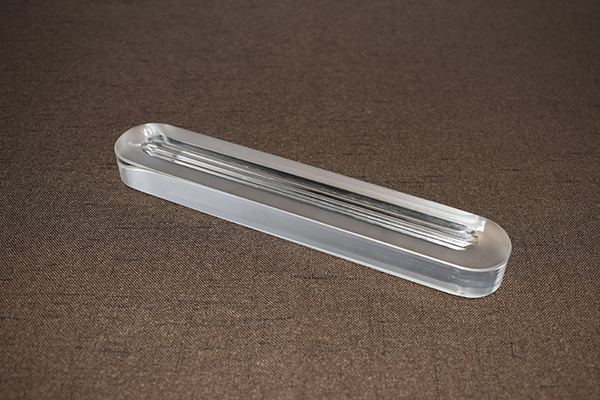
Explosion-proof sight glasses are specialized components designed for hazardous environments where flammable gases, vapors, or combustible dusts are present. These devices provide visual access to processes while containing any potential ignition sources. Here are the key features that distinguish them from standard sight glasses.
Rugged Construction and Materials
Explosion-proof sight glasses are built to withstand extreme conditions. The housing is typically made from heavy-duty cast iron, ductile iron, or stainless steel, providing a robust enclosure that can contain internal explosions. The glass itself is usually tempered or laminated for enhanced strength and impact resistance, preventing shattering under pressure or impact. This robust construction ensures the sight glass can withstand the pressures generated by an internal explosion without allowing flames or hot gases to escape.
Flame-Path and Pressure-Containment Design
The defining feature of an explosion-proof sight glass is its ability to contain an internal explosion. These units are designed to withstand internal explosion pressures and to cool escaping gases below the ignition temperature of the surrounding atmosphere. The design includes flame paths, which are precisely machined gaps between the glass, housing, and cover. These gaps cool and quench any escaping hot gases, preventing them from igniting the external flammable atmosphere.
Pressure-containment design ensures that the sight glass housing can withstand the maximum pressure generated by an internal explosion without rupturing. This is critical to prevent the release of flames or pressure into the surrounding area. For higher risk applications, some designs incorporate a secondary containment vessel around the sight glass to safely contain pressurized fluid or debris in the event of a catastrophic failure.
Certified for Hazardous Areas
A true explosion-proof sight glass carries certification from recognized testing agencies such as UL (Underwriters Laboratories), FM (Factory Mutual), or ATEX (for European markets). These certifications confirm that the sight glass has been tested and meets the rigorous standards for use in specific hazardous area classifications, such as Class I, Division 1 for flammable gases or Class II, Division 1 for combustible dusts. This certification is not a suggestion but a legal requirement for equipment used in these environments.
High-Pressure and Temperature Capabilities
Explosion-proof sight glasses must often perform in high-pressure and high-temperature environments. Standard designs are available for pressures up to 1,000 psi (69 bar) and temperatures up to 500°F (260°C). Special designs can handle even higher ranges. The materials used for the glass and seals are chosen for their ability to withstand these conditions while maintaining their explosion-proof integrity.
Specialized Sealing Systems
To maintain the explosion-proof rating, the seals must be able to withstand the explosive pressure and prevent leaks. Advanced sealing systems, such as metal-to-metal seals or specialized gaskets, are employed to ensure a leak-tight barrier. Some designs incorporate double-seal or redundant sealing systems for increased safety.
Additional Features
Some explosion-proof sight glasses include built-in lighting to illuminate the process for clearer viewing. Wipers or cleaning devices are also available to maintain visibility in dirty or sticky environments. These add-on features are designed to be intrinsically safe, meaning they cannot ignite the surrounding atmosphere.
The Bottom Line
Explosion-proof sight glasses are characterized by rugged construction, the ability to contain internal explosions, certified flame paths, and compliance with rigorous safety standards. They are essential safety devices in any environment where flammable materials are processed, ensuring that visual process monitoring does not come at the cost of an explosion risk. Choosing a certified unit is not just a best practice, but a legal and moral obligation for operator safety.