News Detail
Transparency and Purity: Key Indicators of Quartz Glass
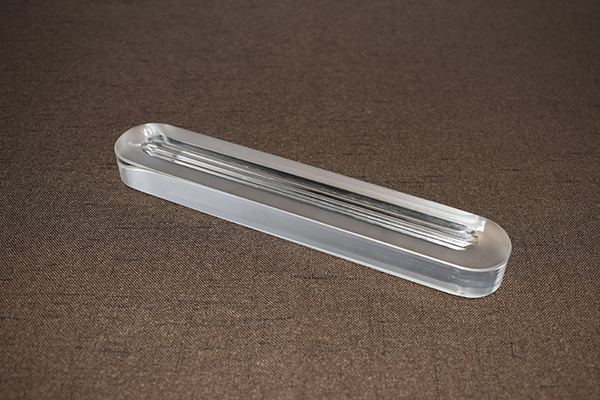
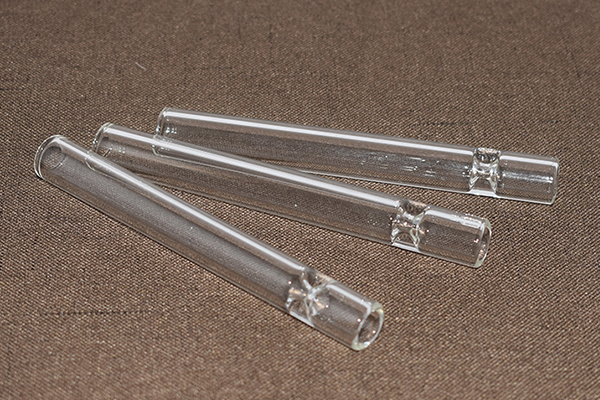
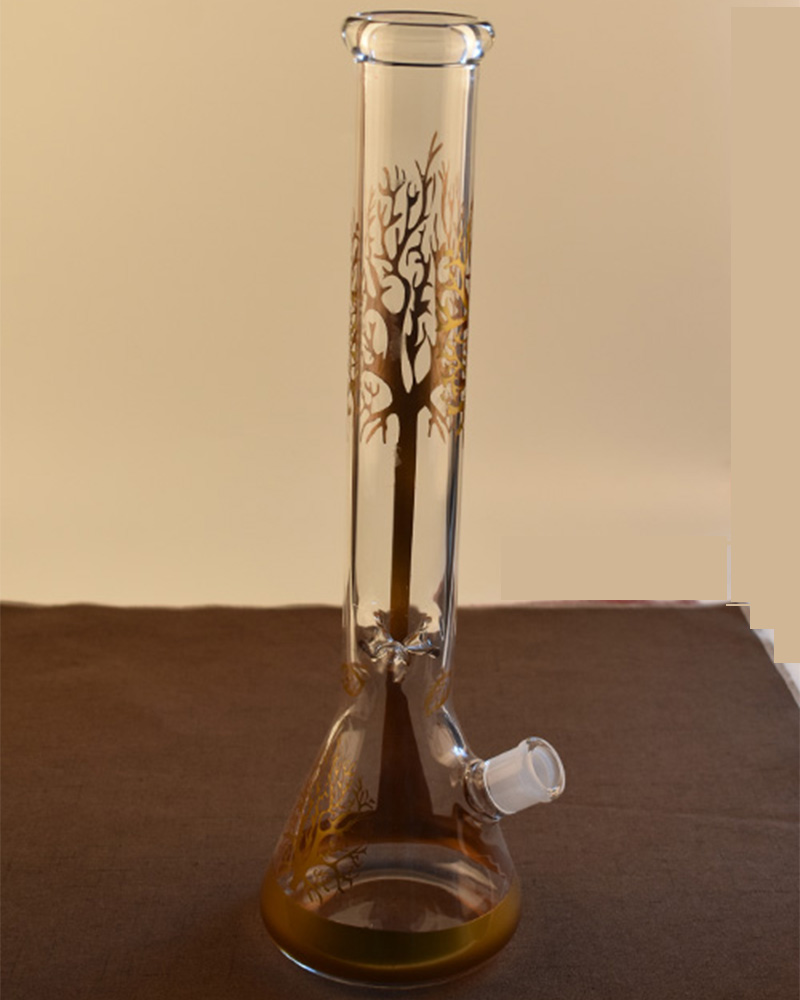
Quartz glass is widely used in semiconductors, laboratories, optics, UV systems, and high-temperature equipment because of its outstanding performance. Among its many properties, transparency and purity are two of the most critical indicators that directly determine functionality, reliability, and application suitability.
1. Why Transparency Matters
Transparency refers to how efficiently quartz glass transmits light with minimal absorption, scattering, or distortion. High transparency is essential in applications where light performance is critical.
Typical examples include:
- UV sterilization systems
- Optical inspection equipment
- Semiconductor processing windows
- Laboratory analytical instruments
- Infrared or visible light transmission systems
Quartz glass is valued because it offers excellent transmission across a wide spectral range, especially in the ultraviolet region, where many ordinary glasses perform poorly.
Poor transparency can result from:
- Bubbles or inclusions
- Surface scratches
- Internal defects
- Contamination during melting
- Structural inhomogeneity
These issues reduce optical efficiency and accuracy.
2. Why Purity Is Critical
Purity refers to the extremely low level of metallic, alkali, and particulate impurities within the material. High-purity quartz glass is essential because impurities can negatively affect:
- Thermal stability
- Chemical resistance
- Electrical insulation performance
- UV transmission
- Semiconductor contamination control
- Long-term durability at high temperature
In semiconductor and precision optical industries, even trace contamination may be unacceptable.
3. Relationship Between Transparency and Purity
Purity and transparency are closely connected. Higher purity usually supports better transparency because fewer foreign particles and contaminants are present to absorb or scatter light. However, processing quality also matters—high-purity raw material alone does not guarantee optical-grade transparency.
4. How These Indicators Are Evaluated
Manufacturers typically assess:
- Light transmittance at specific wavelengths
- Bubble and inclusion count
- Hydroxyl (OH) content depending on application
- Metal impurity levels
- Refractive uniformity
- Surface finish quality
5. Choosing by Application
- UV systems → high transparency + controlled OH content
- Semiconductor use → ultra-high purity
- High-temperature furnace parts → purity + thermal stability
- Optical equipment → transparency + dimensional precision
For quartz glass, what you cannot see—impurities—often matters as much as what you can see—clarity.