News Detail
The Importance of Glass Edge Chamfering and Polishing Processes
Glass edge treatment is a critical but often underestimated step in the manufacturing of glass components used in laboratories, industrial equipment, and optical systems. Proper chamfering and polishing not only improve appearance but also play a vital role in safety, strength, and long-term performance.
1. Reducing Stress Concentration
Raw cut glass edges contain micro-cracks and sharp defects that act as stress concentrators. Under mechanical load, pressure, or thermal shock, these imperfections can easily propagate into larger cracks, leading to sudden failure. Chamfering removes sharp corners, redistributing stress more evenly across the glass surface and significantly reducing breakage risk.
2. Improving Mechanical Strength
Edge finishing directly affects the effective strength of glass. Studies show that polished edges can increase bending and impact resistance compared with untreated edges. Polishing smooths microscopic flaws created during cutting or grinding, which enhances the glass’s ability to withstand pressure and vibration.
3. Enhancing Safety in Handling and Installation
Sharp edges pose a serious safety hazard during handling, installation, and maintenance. Chamfered and polished edges reduce the risk of cuts and injuries, especially in industrial environments where glass components are frequently removed or replaced.
4. Ensuring Better Sealing Performance
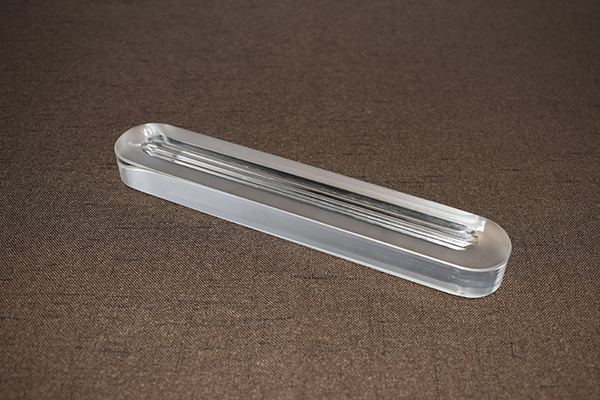
In applications such as sight glasses and pressure windows, proper edge treatment improves contact with gaskets and sealing surfaces. Smooth edges help achieve uniform compression, reducing leakage risk and extending seal lifespan.
5. Improving Optical and Aesthetic Quality
Polished edges enhance the overall appearance of glass components and reduce light scattering at the edges. This is particularly important for optical and observation applications where clarity is essential.
Conclusion
Chamfering and polishing are essential processes that improve glass strength, safety, sealing reliability, and visual quality. Proper edge treatment ensures that glass components perform reliably under demanding conditions and throughout their service life.