News Detail
The Difference Between Transparent and Opaque Quartz Glass
Transparent and opaque quartz glass may look entirely different, but they are actually made of the same material. Their contrasting appearances and properties come from differences in their internal structure, which leads to very different applications.
Optical Performance: The Core Distinction
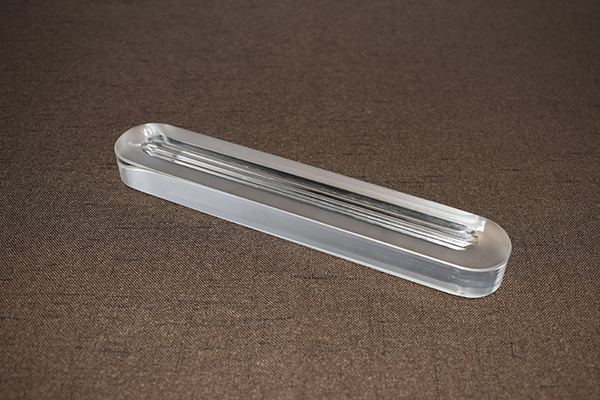
Transparent quartz glass is known for its exceptional optical clarity. It is highly transparent across a broad spectrum, from ultraviolet to infrared, with light transmittance reaching over 93 percent. This broad-spectrum transparency is a key feature, making it the material of choice for lenses, prisms, UV spectroscopy equipment, and high-temperature viewing ports.
Opaque quartz glass, on the other hand, is characterized by its low light transmittance and high reflectivity. This is due to a structure containing numerous microscopic air voids that scatter light. Instead of letting light pass through, it is designed to block or reflect it. This property allows it to filter out harmful UV radiation in the 190 to 320 nanometer wavelength range, making it ideal for eco-friendly light sources.
Thermal and Physical Properties
Both types share the fundamental properties of quartz glass: excellent thermal stability, low thermal expansion, and resistance to thermal shock. They can withstand continuous use at high temperatures of around 1100 degrees Celsius.
However, their unique structures lead to different performance strengths. Transparent quartz glass is prized for its high purity with silicon dioxide content above 99.9 percent, chemical stability, and resistance to devitrification. Opaque quartz glass, while sharing this high purity, has a structure optimized for heat reflection and conversion. This makes it an efficient material for radiant heating elements.
Applications: A Clear Divide
The unique properties of each type guide their use in very different fields.
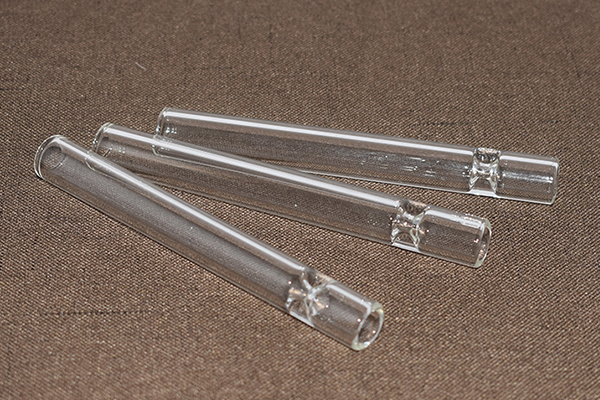
Transparent quartz glass serves optics and semiconductors through lenses, prisms, optical windows, and components for semiconductor manufacturing. It is used in lighting for high-temperature lamps like mercury, sodium, and halogen lamps. It also enables communication through optical fibers.
Opaque quartz glass is used primarily in heating technology. Heating tubes and far-infrared emitters used in ovens, heaters, and industrial drying processes rely on its heat-reflective properties. It also serves health and safety applications through UV-filtering lamps for medical and food sanitation applications.
Key Differences at a Glance
In terms of appearance, transparent quartz glass is clear like water, while opaque quartz glass is milky white. For light transmission, the transparent version lets light pass through fully, while the opaque version reflects and scatters light. For UV transmission, transparent glass transmits UV fully, while opaque glass absorbs or reflects harmful UV. The structures differ as well: transparent quartz has a dense continuous network, while opaque quartz contains microscopic air bubbles that create its distinctive appearance.
Transparent quartz glass is engineered for light transmission, excelling in optics and precision lighting, while opaque quartz glass is engineered for thermal radiation and reflection, making it an ideal material for efficient heating and safe UV filtration. Choose transparent when you need to see through it. Choose opaque when you need to reflect heat or block UV. They serve different purposes, and understanding these differences ensures you select the right material for your specific application.