News Detail
The Advantages of High-Purity Quartz Glass and Its Application Fields
High-purity quartz glass is widely recognized as one of the most advanced functional glass materials, valued for its exceptional physical, chemical, and optical properties. Its “high purity” typically refers to a silicon dioxide (SiO₂) content of 99.99% or higher, with extremely low levels of metal ions and other impurities. This unique composition gives quartz glass several advantages that conventional glass materials cannot match.
One of the most important advantages of high-purity quartz glass is its excellent optical transparency. It offers outstanding light transmission across a wide spectral range, from ultraviolet (UV) to visible and infrared wavelengths. This makes it indispensable in applications such as optical lenses, UV lamps, laser systems, and semiconductor photolithography, where light accuracy and stability are critical.
Another key benefit is its exceptional thermal resistance. High-purity quartz glass can withstand temperatures above 1,000°C while maintaining structural integrity and optical clarity. Its very low thermal expansion coefficient allows it to tolerate rapid temperature changes without cracking, making it ideal for high-temperature furnaces, thermal processing equipment, and laboratory heating systems.
High-purity quartz glass also demonstrates excellent chemical stability. It is highly resistant to acids, alkalis, and corrosive gases, ensuring long-term performance in harsh chemical environments. This property is particularly valuable in semiconductor manufacturing, chemical processing, and pharmaceutical production, where material contamination must be strictly controlled.
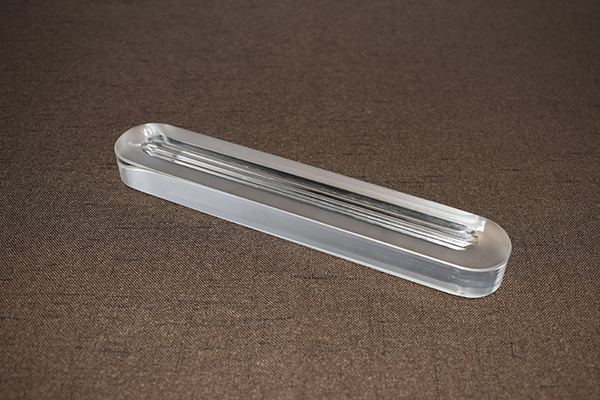
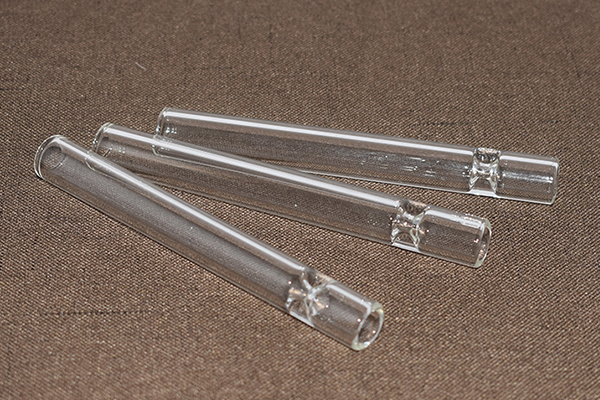
In terms of applications, high-purity quartz glass plays a critical role in semiconductor and electronics industries, serving as tubes, crucibles, and wafer carriers. It is also widely used in laboratory equipment, medical devices, optical instruments, and high-temperature lighting. In recent years, its importance has further expanded into fields such as photovoltaics and advanced scientific research.
In summary, the high purity of quartz glass directly translates into superior optical performance, thermal stability, and chemical resistance. These advantages make it an essential material in high-end industrial, scientific, and technological applications where precision and reliability are paramount.