News Detail
Selection Principles for Industrial Observation Window Glass
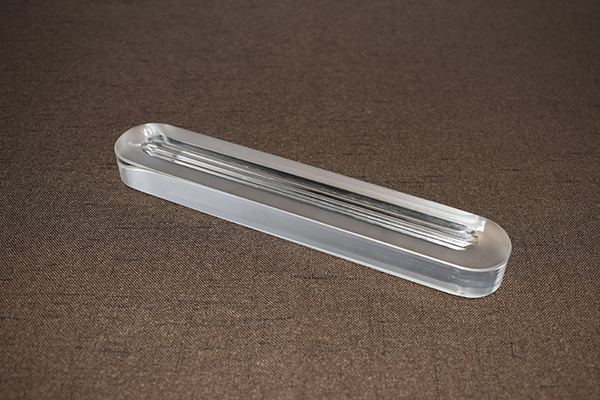
Industrial observation window glass plays a critical role in allowing operators to monitor internal processes safely and efficiently. Whether used in pressure vessels, pipelines, or reactors, selecting the right glass material is essential to ensure safety, durability, and long-term performance. The selection process should follow several key engineering principles.
The first consideration is working pressure and mechanical strength. The glass must be able to withstand internal pressure without failure. For high-pressure environments, materials such as tempered borosilicate glass or laminated glass structures are commonly preferred due to their enhanced strength and safety characteristics.
Temperature resistance is another crucial factor. Industrial systems may operate under high temperatures or experience rapid thermal changes. Glass materials with low thermal expansion coefficients—such as borosilicate or quartz glass—are better suited for these conditions, as they can resist thermal shock and maintain structural integrity.
The chemical environment must also be evaluated. In chemical processing industries, observation windows may be exposed to corrosive substances. Selecting glass with strong chemical resistance ensures long-term clarity and prevents degradation. High-purity borosilicate or quartz glass is often used in such environments.
Optical clarity and visibility requirements are equally important. The glass should provide high transparency without distortion to allow accurate monitoring. In some applications, additional coatings or treatments may be applied to improve visibility or reduce glare.
Another key principle is installation compatibility. The glass must match the design of the mounting structure, including flange size, sealing method, and gasket materials. Proper compatibility ensures uniform stress distribution and reliable sealing performance.
Safety design requirements should not be overlooked. In high-risk environments, features such as protective shields, double-layer glass, or explosion-proof designs may be necessary to reduce potential hazards in case of failure.
Finally, cost and application balance must be considered. While high-performance materials offer superior properties, the selection should align with actual operational needs to achieve optimal cost-effectiveness.
We provide a wide range of industrial observation window glass solutions tailored to different operating conditions. By combining high-quality materials with precise engineering, our products ensure reliable performance, safety, and long service life across diverse industrial applications.
The right selection is the foundation of safe and efficient observation.