News Detail
Safety Design Standards for Industrial Glass Observation Windows
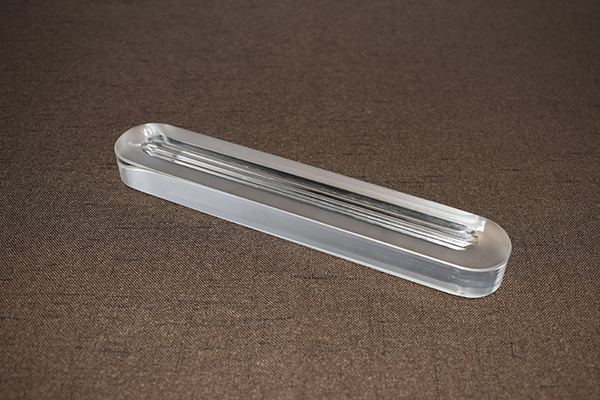
Industrial glass observation windows are widely used in pressure vessels, pipelines, reactors, and process equipment to provide visual monitoring of internal operations. Because these components combine transparency with structural responsibility, their design must follow strict safety principles to ensure reliable performance under demanding industrial conditions.
One of the most fundamental requirements is adequate pressure resistance. The glass thickness and structural configuration must be calculated based on maximum operating pressure, pressure fluctuations, and safety factors. Observation windows should always be designed with sufficient strength margin to withstand both normal and abnormal operating conditions.
Material selection is another critical design standard. Industrial observation windows typically use high-performance materials such as tempered borosilicate glass, laminated safety glass, or fused quartz glass, depending on temperature, pressure, and chemical exposure requirements. Material choice must match the specific operating environment.
The mounting and support structure must be engineered to distribute loads evenly. Glass should be installed in metal frames or flange systems that prevent stress concentration. Uneven clamping or improper support can dramatically reduce effective strength, even when the glass itself is properly designed.
Reliable sealing design is also essential. Appropriate gasket materials must be selected based on temperature, pressure, and chemical compatibility. The sealing system should provide leak-tight performance without introducing excessive compressive stress on the glass.
For systems exposed to temperature fluctuations, thermal stress management must be included in the design. Allowances for differential thermal expansion between glass and metal components help prevent cracking caused by thermal mismatch.
Many safety standards also require protective measures in higher-risk applications. These may include protective guards, dual-pane window systems, fragment-retention designs, or explosion-proof configurations to reduce hazards in case of glass failure.
In addition, observation windows should be designed for inspection and maintenance accessibility. Clear maintenance procedures and replacement intervals help ensure long-term safe operation.
Finally, manufacturing quality is part of safety compliance. Proper annealing, edge finishing, dimensional control, and defect inspection are necessary to ensure the glass meets design expectations.
Safety in observation begins with disciplined engineering standards.