News Detail
Safety Design Principles for Extra-Thick Sight Glass
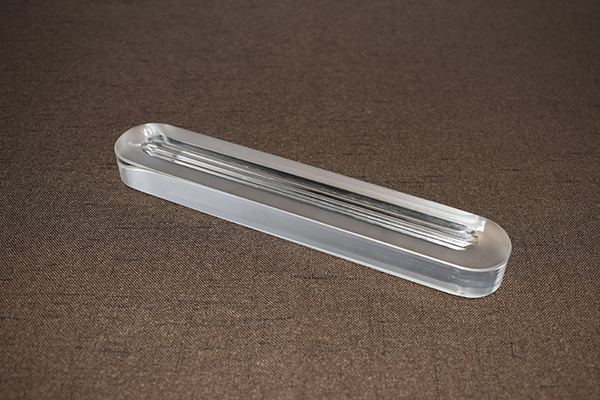
Extra-thick sight glass is widely used in chemical processing, high-pressure vessels, reactors, and industrial observation windows where extreme conditions demand exceptional strength and reliability. Its design must balance mechanical durability, optical clarity, and long-term stability. To achieve this, several key safety principles guide the engineering of extra-thick sight glass.
The first principle is material selection. High borosilicate glass and fused quartz are the most common choices because of their superior thermal resistance, high mechanical strength, and excellent chemical stability. These materials can withstand both aggressive chemicals and sudden temperature fluctuations, making them ideal for harsh industrial environments.
Second, the glass must be designed with an appropriate thickness-to-diameter ratio. Extra thickness alone does not guarantee safety; rather, engineers must calculate the optimal proportion to withstand internal pressure while minimizing stress concentration. A well-balanced ratio helps distribute mechanical loads uniformly across the glass surface, reducing the likelihood of cracking or catastrophic failure.
Another critical principle is edge treatment. The edges of thick glass are often the weakest points and must be precisely ground, chamfered, and polished to eliminate micro-cracks. Proper edge finishing not only enhances strength but also reduces the risk of stress fractures under high pressure.
In addition, extra-thick sight glass requires careful mounting and sealing. Metal frames, gaskets, and clamps must provide uniform compression without creating point loads. Materials such as PTFE or high-performance elastomers are commonly used to ensure reliable sealing while accommodating thermal expansion.
Safety design also includes quality testing, such as pressure resistance tests, thermal shock evaluations, and non-destructive inspections. These tests verify that the finished product meets performance standards before installation.
In summary, the safety of extra-thick sight glass relies on proper material selection, optimized structural ratios, precise edge processing, secure mounting, and rigorous testing. Together, these principles ensure safe and stable operation in demanding industrial applications.