News Detail
Safety Design of Glass Sight Windows in Pressure Equipment
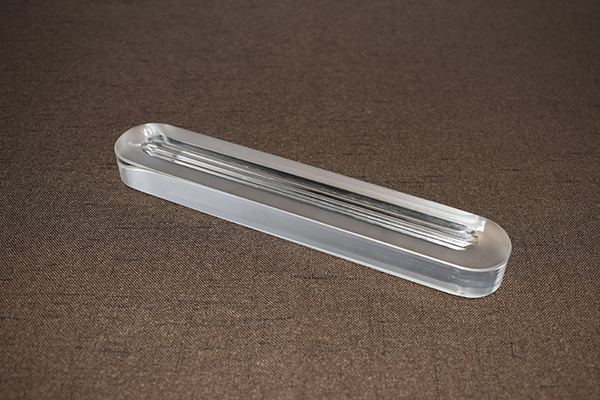
Glass sight windows are critical components in pressure equipment, enabling real-time visual monitoring of internal processes without interrupting operation. However, because glass is a brittle material, its use in pressurized systems requires rigorous safety-oriented design to prevent failure and ensure long-term reliability.
One of the primary considerations is material selection. High-performance materials such as tempered borosilicate glass or fused quartz glass are commonly used due to their superior mechanical strength, thermal resistance, and chemical stability. In higher-risk applications, laminated or multi-layer glass structures are often adopted to improve impact resistance and prevent fragment dispersion in case of breakage.
Thickness design and strength calculation are equally critical. The glass must be designed to withstand the maximum operating pressure with an adequate safety factor. Engineers typically model the sight window as a circular plate under uniform pressure, ensuring that stress levels remain well below the allowable limits of the material.
The installation structure plays a decisive role in safety. Glass is usually mounted within a metal frame or flange system that distributes pressure evenly across its surface. Proper gasket materials—such as PTFE or high-temperature elastomers—are used to ensure reliable sealing while avoiding excessive localized stress on the glass.
Another key factor is thermal stress management. Pressure equipment often operates under varying temperatures, and differences in thermal expansion between glass and metal components can introduce additional stress. Design solutions such as flexible sealing layers or expansion allowances help mitigate this risk.
Edge processing and surface quality must also be carefully controlled. Smooth, polished edges reduce stress concentration and significantly improve the strength and durability of the glass. Any defects, scratches, or microcracks can act as failure initiation points under pressure.
For enhanced safety, many systems incorporate protective features, such as metal guards, double-window configurations, or explosion-proof designs. These measures help contain fragments and protect operators in the event of glass failure.
Finally, inspection and maintenance protocols are essential. Regular checks for cracks, scratches, or sealing degradation can prevent accidents and extend service life.
Safety in visibility is achieved through engineering precision.