News Detail
How to Evaluate the Service Life of Tempered Sight Glass
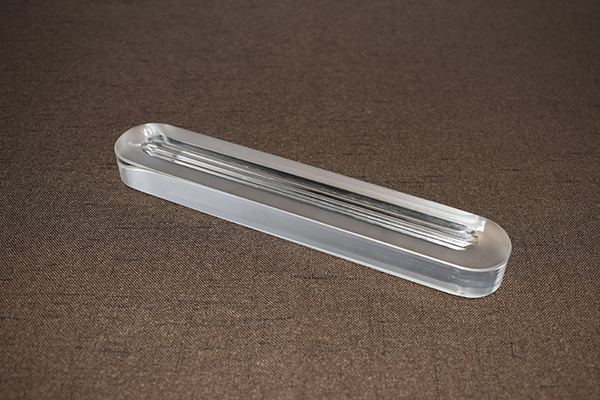
Tempered sight glass is widely used in pressure vessels, pipelines, and industrial observation ports due to its improved mechanical strength and safer fracture behavior. However, because glass is a brittle material, its service life cannot be estimated by time alone. A comprehensive evaluation method must consider stress history, surface condition, operating environment, and performance testing data.
1. Review of Operating Conditions
The first step in life assessment is analyzing actual working pressure, temperature range, and thermal cycling frequency. Even if the glass is rated for a certain pressure, long-term exposure to fluctuating loads can accelerate fatigue. High-temperature gradients or rapid cooling cycles also increase internal stress risk.
2. Surface and Edge Inspection
Most failures originate from edge damage or surface micro-cracks. Regular visual inspection under adequate lighting can detect chips, scratches, or abrasion. Any visible edge defect significantly reduces strength because tempered glass stores internal stress that can be triggered by small flaws.
3. Monitoring for Spontaneous Breakage Risk
Nickel sulfide inclusions, though rare, may cause delayed spontaneous failure. While complete prevention is difficult, sourcing from quality-controlled production and conducting heat soak testing can reduce this risk. Service history review helps determine whether preventive replacement is advisable.
4. Stress and Installation Evaluation
Improper bolt torque, uneven gasket compression, or flange misalignment creates additional mechanical stress. Periodic inspection of mounting hardware ensures that no secondary stress has developed during operation.
5. Pressure Retesting and Safety Margin Review
For critical systems, periodic pressure testing at controlled levels can help verify residual strength. Comparing current operating conditions with the original design safety factor provides a realistic estimate of remaining service life.
6. Environmental Exposure Assessment
Chemical corrosion, high humidity, and abrasive particles can weaken surface integrity over time. Evaluating environmental exposure is essential in aggressive industrial settings.
In summary, evaluating the service life of tempered sight glass requires a multi-factor approach: reviewing operational stress, inspecting surface and edges, assessing installation conditions, and verifying safety margins. Rather than relying on a fixed replacement schedule, condition-based assessment provides a safer and more reliable life-cycle management strategy.