News Detail
How to Choose the Right Sight Glass for Ultra-High-Pressure Environments
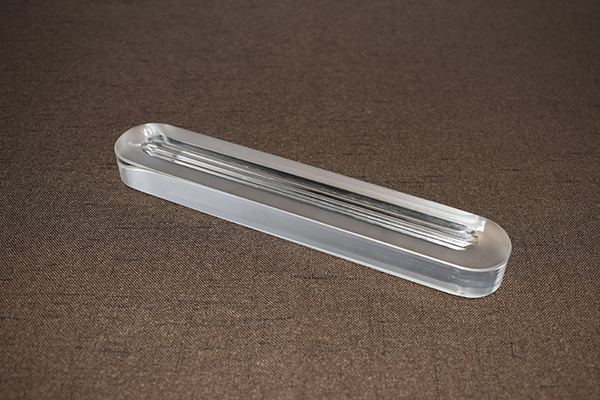
Selecting a suitable sight glass for ultra-high-pressure environments is a critical engineering decision that directly affects equipment safety, operational reliability, and personnel protection. Unlike standard applications, extreme pressure conditions place exceptional mechanical and thermal stress on the glass material, making careful selection essential.
The first factor to consider is material strength. Among commonly used options, tempered glass, borosilicate glass, and quartz glass each offer different advantages. Tempered glass provides high impact resistance and safer failure behavior, breaking into small fragments rather than sharp shards. However, its pressure tolerance is limited compared to quartz. High-purity quartz glass offers superior compressive strength and thermal stability, making it a preferred choice for ultra-high-pressure and high-temperature environments, especially where optical clarity is required.
Glass thickness is another decisive parameter. Pressure resistance increases exponentially with thickness, but excessive thickness can reduce light transmission and increase stress concentration at the edges. Therefore, thickness should be calculated based on operating pressure, safety factor, window diameter, and installation method, often following international standards such as DIN, ASME, or EN guidelines.
The edge treatment and mounting structure are equally important. Proper chamfering, polishing, and stress-relief processing reduce the risk of microcracks that could lead to catastrophic failure under pressure. In ultra-high-pressure systems, sight glasses are usually installed with metal frames, pressure rings, or protective laminations to evenly distribute load and prevent direct impact.
Environmental factors must also be considered. If the system involves high temperatures, corrosive media, or rapid pressure fluctuations, materials like quartz glass or laminated composite sight glass provide better long-term stability than standard glass types.
Finally, safety should never be compromised. For ultra-high-pressure applications, it is strongly recommended to use certified pressure-rated sight glass assemblies rather than standalone glass panels. Regular inspection and replacement schedules further ensure reliable performance.
In summary, choosing the right sight glass for ultra-high-pressure environments requires a comprehensive evaluation of material properties, thickness design, mounting structure, and operating conditions. A well-matched selection not only improves visibility but also ensures long-term safety and system integrity.