News Detail
How Different Annealing Processes Affect Glass Performance
Annealing is a critical step in glass manufacturing that has a direct and lasting impact on mechanical strength, thermal stability, optical quality, and service life. Different annealing processes are designed to control internal stress in glass, and variations in temperature profile, cooling rate, and holding time can lead to significantly different performance outcomes.
The most fundamental effect of annealing is stress relief. During forming, cutting, or machining, glass develops internal stresses due to uneven cooling. Proper annealing allows the glass structure to relax gradually, reducing residual stress. Glass that is insufficiently annealed may appear normal but is far more prone to cracking, edge chipping, or spontaneous failure during use.
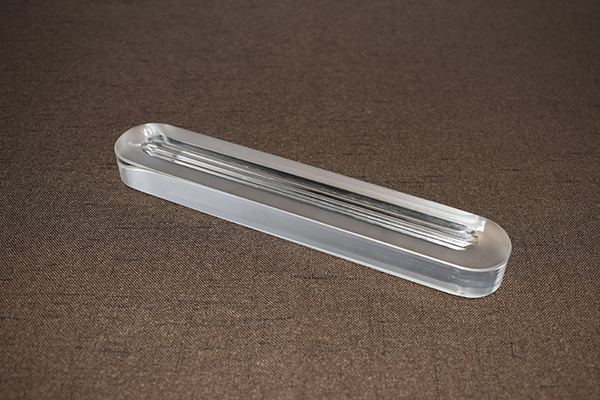
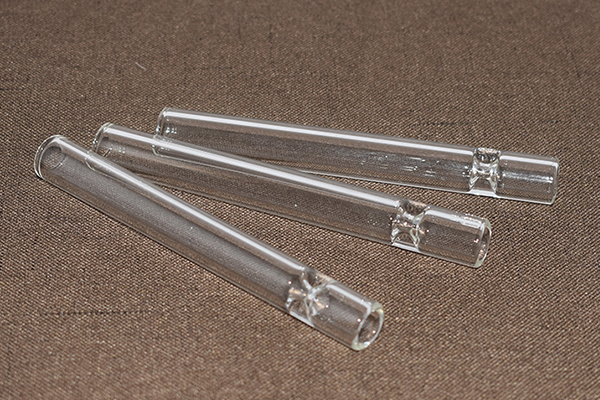
Standard annealing is commonly used for ordinary and borosilicate glass products. In this process, glass is heated to its annealing point and then cooled slowly under controlled conditions. This produces stable glass with balanced mechanical strength and good thermal shock resistance, suitable for laboratory ware, sight glass, and industrial components.
Extended or precision annealing is often applied to thick-walled glass or high-stress components. Longer holding times and slower cooling rates ensure that stress is uniformly released throughout the entire cross-section. This significantly improves pressure resistance and long-term reliability but increases production time and cost.
In contrast, inadequate or rushed annealing leads to uneven stress distribution. Such glass may have acceptable dimensions but poor durability, especially in applications involving pressure, vibration, or temperature cycling. Many early-life failures in glass components can be traced back to insufficient annealing rather than material defects.
For high-performance materials such as quartz glass, annealing becomes even more critical. Quartz requires much higher temperatures and precise control to prevent structural distortion while achieving optimal thermal and optical properties.
It is also important to distinguish annealing from tempering. While tempering increases surface strength, it introduces permanent internal stress and limits post-processing. Annealed glass, by contrast, offers better machinability and predictable failure behavior.
In summary, different annealing processes directly determine glass performance. Properly matched annealing ensures low internal stress, higher strength, better thermal stability, and longer service life—making it a foundational factor in reliable glass component design.