News Detail
High-Temperature Reactor Sight Glass Selection Guide
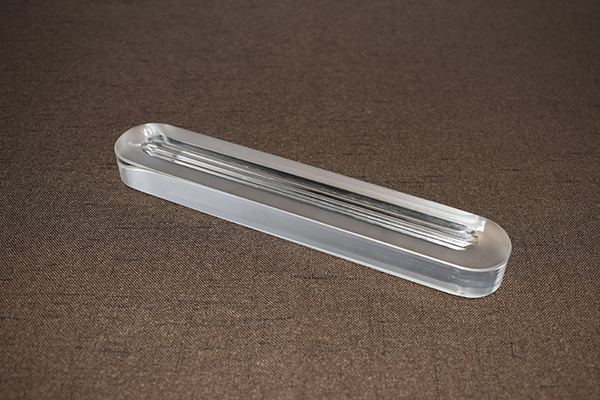
Selecting the right sight glass for a high-temperature reactor is a critical decision that directly impacts safety, operational efficiency, and maintenance costs. The extreme conditions inside these vessels demand materials and designs that can withstand intense heat, thermal cycling, and aggressive chemicals. Here is a comprehensive guide to making the right choice.
Temperature Considerations
Temperature is the primary factor in sight glass selection. Standard borosilicate glass works well up to about 230°C (446°F). Above this temperature, quartz glass becomes the preferred material, capable of withstanding temperatures up to 1100°C (2012°F) for continuous operation and 1300°C for short periods.
Thermal shock resistance is equally important. A sight glass must survive rapid temperature changes without cracking. Quartz glass excels here due to its low thermal expansion coefficient, allowing it to handle extreme temperature differentials. For processes involving frequent heating and cooling cycles, quartz glass is often the safer choice.
Pressure Ratings and System Design
High-temperature reactors often operate under pressure, and temperature reduces the effective pressure rating of glass. The rated pressure for a sight glass at ambient temperature must be derated for high-temperature use. Ensure the sight glass you select has a pressure rating that meets or exceeds your operating conditions.
Chemical Compatibility
The glass must resist attack from the reactor’s contents, even at elevated temperatures. Borosilicate glass offers excellent resistance to most acids, but hydrofluoric acid and hot concentrated alkalis will attack it. For aggressive chemical environments, quartz glass or sapphire glass may be necessary. Sapphire glass provides exceptional chemical resistance and high-temperature capability but at a significantly higher cost.
Glass Thickness
The required glass thickness depends on the maximum pressure and the diameter of the viewing window. Use the manufacturer’s pressure rating charts to determine the minimum safe thickness for your specific pressure and temperature. Thicker glass provides greater pressure resistance but also increases weight and reduces light transmission.
Sealing Systems
High-temperature reactors require specialized sealing systems. Common sealing materials include PTFE (up to 260°C), graphite (up to 500°C), and flexible graphite (up to 650°C). The seal must accommodate thermal expansion differences between the glass, seal, and metal flange. Metal-to-metal seals or spring-loaded designs are often preferred to maintain sealing integrity under thermal cycling.
The housing must also be considered. A robust housing, typically made of stainless steel or other corrosion-resistant alloys, is essential to protect the glass and maintain the seal.
Installation Considerations
Proper installation is crucial for high-temperature service. Use a torque wrench to tighten bolts to the manufacturer’s specifications. Allow for thermal expansion by using spring-loaded washers or maintaining proper gap dimensions. Avoid creating stress points on the glass by ensuring uniform tightening.
Regulatory Compliance
For pressure equipment, compliance with standards such as ASME, PED, or DIN is mandatory. These standards define material requirements, testing procedures, and safety margins. Ensure the sight glass you select carries the necessary certification for your jurisdiction.
The Bottom Line
Selecting the right sight glass for a high-temperature reactor requires careful consideration of operating temperature, pressure, chemical compatibility, and regulatory compliance. By choosing the appropriate material, thickness, and sealing system, you can ensure safe and reliable visual access to your process while minimizing maintenance and safety risks. When in doubt, consult a specialist to validate your selection.