News Detail
Failure Mode Analysis of Sight Glass in High-Pressure Equipment
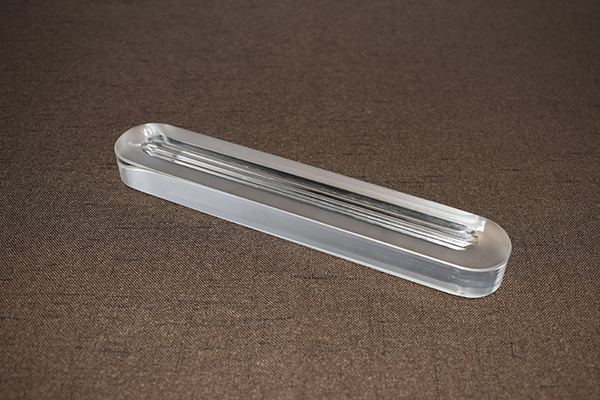
Sight glass plays a vital role in high-pressure equipment by allowing operators to visually monitor internal processes without opening the system. However, under high-pressure conditions, sight glass is subjected to extreme mechanical, thermal, and chemical stresses. Understanding its failure modes is essential for improving safety, reliability, and service life.
One common failure mode is overpressure-induced fracture. When internal pressure exceeds the design limit of the sight glass, tensile stress concentrates at the center and edges of the glass. If the safety factor is insufficient, sudden cracking or catastrophic rupture may occur. This risk increases significantly when glass thickness or material strength is underestimated during design.
Another frequent issue is edge-initiated cracking. Micro-defects created during cutting, drilling, or insufficient edge polishing act as stress concentrators. Under high pressure, these microcracks can propagate rapidly, leading to failure even when the operating pressure is below the rated limit. This highlights the importance of proper edge treatment and quality control.
Thermal stress failure is also a critical mode. In systems with rapid temperature changes, uneven heating or cooling causes differential expansion between the glass and surrounding metal frame. If the thermal expansion mismatch is not properly managed, internal stress accumulation can result in cracking or seal failure.
In chemically aggressive environments, corrosion-assisted failure may occur. Certain process media can gradually attack the glass surface or sealing materials, reducing mechanical strength over time. Although this degradation is slow, it significantly increases the risk of sudden failure under pressure.
Finally, installation-related failures are often overlooked. Improper mounting, uneven bolt tightening, or misaligned support frames can introduce pre-stress into the glass. When combined with operating pressure, this hidden stress can trigger unexpected breakage.
In conclusion, sight glass failure in high-pressure equipment typically results from overpressure, edge defects, thermal mismatch, chemical corrosion, or improper installation. A comprehensive approach involving correct material selection, precise machining, proper mounting, and regular inspection is essential to ensure safe and reliable operation.