News Detail
Dimensional Tolerance Control in Custom Industrial Glass Components
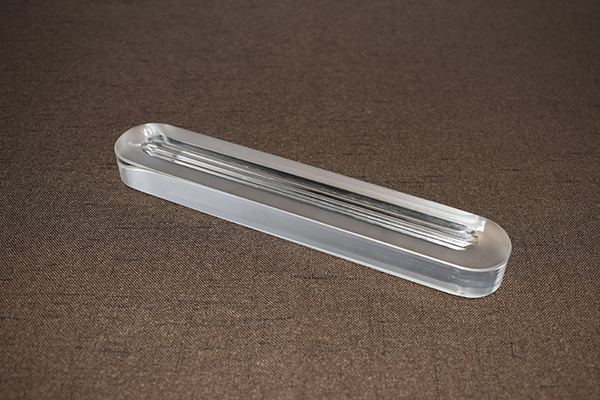
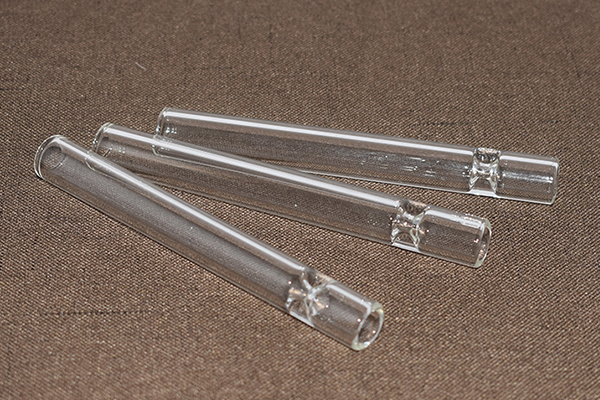
Custom industrial glass components are widely used in chemical equipment, laboratory instruments, optical systems, semiconductor manufacturing, and industrial observation devices. Whether the product is a sight glass, glass tube, quartz component, or precision optical part, dimensional accuracy directly affects assembly quality, sealing performance, operational reliability, and service life. Therefore, tolerance control is one of the most critical aspects of custom glass manufacturing.
Why Dimensional Tolerance Matters
Unlike many metal components, glass cannot be easily adjusted after processing. Even small dimensional deviations may lead to:
- Poor installation fit
- Seal leakage
- Stress concentration
- Reduced pressure resistance
- Optical alignment errors
- Increased assembly costs
For high-precision applications, dimensional control is often as important as material selection.
Key Dimensions Requiring Control
Depending on the product type, manufacturers typically monitor:
Glass Tubes
- Outer diameter (OD)
- Inner diameter (ID)
- Wall thickness
- Length
- Straightness
Sight Glasses
- Diameter
- Thickness
- Edge dimensions
- Flatness
Quartz and Optical Components
- Surface parallelism
- Concentricity
- Surface profile accuracy
- Angular dimensions
Each parameter may have a different tolerance requirement depending on the application.
Factors Affecting Dimensional Accuracy
Raw Material Quality
Variations in the initial glass stock can influence the final dimensions. High-quality raw materials provide a more stable basis for precision manufacturing.
Thermal Processing
Glass expands when heated and contracts when cooled. During:
- Bending
- Forming
- Fusion
- Annealing
temperature control must be carefully managed to minimize dimensional variation.
Machining Precision
Processes such as:
- Cutting
- Grinding
- Drilling
- CNC machining
- Edge finishing
must be performed using properly calibrated equipment and controlled procedures.
Operator Experience
For custom and complex geometries, manufacturing expertise plays an important role in maintaining consistency.
Common Tolerance Control Methods
Manufacturers typically use:
- Precision measuring instruments
- Digital calipers and micrometers
- Coordinate Measuring Machines (CMM)
- Optical measurement systems
- Statistical process control (SPC)
These tools help verify compliance throughout production.
Balancing Precision and Cost
Tighter tolerances generally require:
- More processing time
- Additional inspections
- Advanced equipment
- Higher production costs
For this reason, tolerances should be specified according to actual functional requirements rather than pursuing unnecessary precision.
Conclusion
Effective dimensional tolerance control ensures that custom glass components perform as intended in demanding industrial environments. From raw material selection to final inspection, every stage of production contributes to achieving consistent accuracy and reliable product quality.
In industrial glass manufacturing, precision is not just a measurement—it is the foundation of performance and reliability.