News Detail
Differences and Connection Methods Between Glass Windows and Sight Glasses
Although glass windows and sight glasses are both transparent components used for observation in industrial systems, they serve different purposes and are installed using distinct connection methods. Understanding these differences helps engineers choose the correct component for safety and performance.
1. Functional Differences
A glass window is typically a flat transparent pane installed in equipment, enclosures, or monitoring panels. Its main role is to allow visual inspection without direct exposure to the working medium. It is often used in lighting ports, display covers, or protective housings.
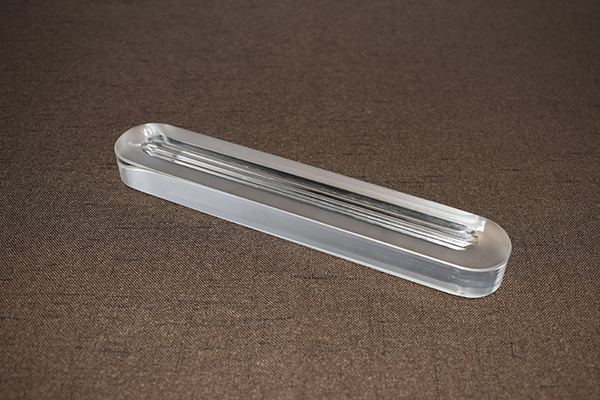
A sight glass, however, is specifically designed for direct observation of fluid flow, pressure, or chemical reactions inside pressurized or vacuum systems. It must withstand high pressure, temperature fluctuations, and corrosive media, making it a critical safety component.
2. Material and Structural Design
Sight glasses generally use high-strength materials such as borosilicate, tempered, or quartz glass, often with metal frames or sealing rings for reinforcement. Glass windows, on the other hand, may use standard tempered or laminated glass, depending on application requirements.
3. Connection Methods
Glass windows are commonly fixed with screws, clips, or adhesive seals onto flat surfaces, ensuring a simple installation for non-pressurized environments.
Sight glasses, by contrast, employ flange connections, threaded joints, or clamp fittings, combined with gaskets or O-rings to achieve airtight sealing under pressure.
4. Application Scenarios
Glass windows are used in electrical cabinets, lighting systems, and observation covers, while sight glasses appear in chemical reactors, pipelines, storage tanks, and boilers.
Conclusion
The key difference lies in function and safety requirements: glass windows are for viewing protection, while sight glasses are engineered for high-pressure, high-temperature monitoring. Selecting the correct connection method ensures both operational reliability and long-term sealing performance.