News Detail
Details Often Overlooked When Installing Sight Glasses
Installing a sight glass might seem straightforward, but overlooking small details can lead to leaks, glass breakage, or even catastrophic failure. Here are the critical points that are frequently missed during installation.
Surface Preparation and Cleanliness
One of the most common oversights is failing to properly clean the sealing surfaces. Both the glass and the metal flange must be meticulously clean. Any old gasket material, dirt, or residue can prevent the new seal from seating correctly, creating a leak path. This is especially important when replacing an old sight glass, as remnants of old gaskets are often left behind. Use a suitable solvent and a non-abrasive cloth to clean both surfaces and ensure they are completely dry before proceeding.
Gasket Selection and Positioning
Choosing the right gasket is essential, but positioning it correctly is equally important. The gasket must be centered precisely on the sealing surface. If it is misaligned, it can be pinched or extruded when the bolts are tightened, leading to an immediate or imminent failure. It is also crucial to ensure the gasket material is compatible with the process fluid and temperature, as using the wrong material is a common but serious mistake.
Bolt Torque and Tightening Sequence
Perhaps the most frequently mishandled aspect of installation is the tightening of the bolts. Over-tightening is a leading cause of glass breakage, as it creates excessive localized stress. Under-tightening results in a leak. Always use a torque wrench and follow the manufacturer’s specified torque value. Tighten the bolts in a crisscross or star pattern, gradually increasing the torque in several passes. This ensures even compression of the gasket and prevents warping the flange.
Thermal Expansion Considerations
Many installers overlook the different thermal expansion rates of the glass, gasket, and metal flange. When the equipment heats up, the metal expands more than the glass. This can add stress to the glass if it is rigidly mounted. Using spring-loaded bolts or following manufacturer recommendations for bolt torque adjustments at different temperatures can accommodate this movement and prevent stress fractures.
Glass Edge Protection
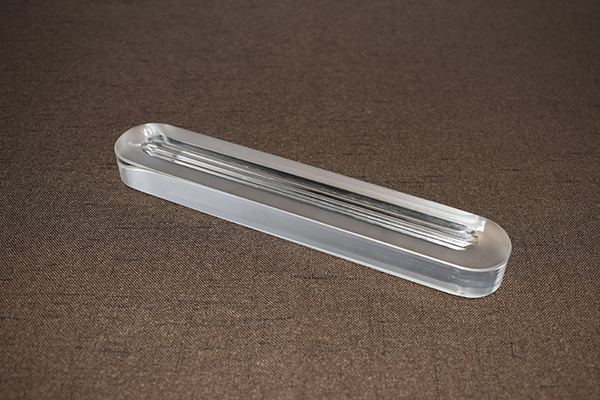
The edges of the sight glass are inherently weaker than the flat surface. When inserting the glass into the flange, take care to avoid chipping or scratching the edges. Even a tiny chip can act as a stress concentration point, leading to a catastrophic failure under pressure. Always handle the glass with care and use protective packaging until the moment of installation.
Verification and Testing
After installation, many consider the job complete. However, it is crucial to verify the work. Pressurize the system gradually and inspect for leaks. For critical installations, a hydrostatic test or a leak test should be performed to ensure the seal is intact before putting the equipment into service. Also, check that the glass is clean and unobstructed for a clear view.
The Bottom Line
A successful sight glass installation depends on attention to detail. Clean surfaces, correct gasket positioning, proper bolt torque, and consideration of thermal effects are all essential. By avoiding these common oversights, you ensure a leak-free, safe, and reliable installation that will provide clear visibility for years to come. If in doubt, consult the manufacturer’s installation guide.