News Detail
Common Causes of Sight Glass Damage: A Comprehensive Analysis
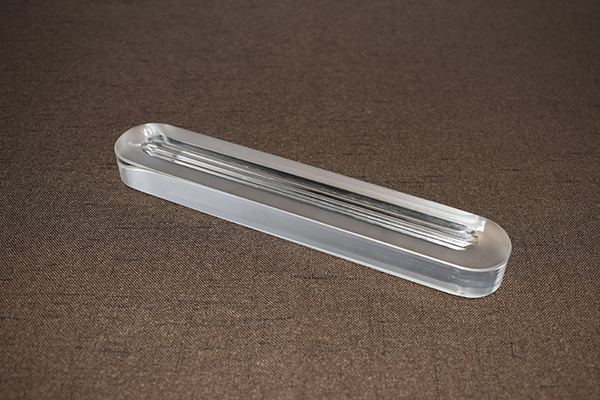
Sight glasses are critical components in industrial equipment, providing visual access to processes while withstanding extreme conditions. However, they remain vulnerable to various forms of damage that can compromise safety and operation. Understanding these failure mechanisms is essential for prevention and proper maintenance.
Thermal Shock
Thermal shock is among the most frequent causes of sight glass failure. It occurs when the glass experiences rapid, extreme temperature changes. For instance, introducing cold liquid into a hot sight glass or exposing a cold glass to steam can create internal stresses exceeding the material’s strength. This is particularly problematic for borosilicate glass, which, while resistant, still has limits. When thermal shock occurs, cracks typically originate at the glass surface and propagate inward.
Chemical Attack
Chemical corrosion can significantly weaken sight glasses, especially in aggressive processing environments. The most damaging chemical is hydrofluoric acid, which attacks the silica structure of glass. Other hazards include hot concentrated alkali solutions and phosphoric acid. Even less aggressive chemicals can cause pitting or etching over time. This surface degradation creates stress concentration points that can initiate cracks under pressure or temperature cycling.
Mechanical Stress and Impact
Physical damage from impact is a common issue, particularly in accessible locations. Striking the glass with tools, dropping objects onto it, or accidental contact with equipment can cause chips or cracks. Mechanical stress also arises from improper installation. Over-tightening flange bolts or uneven clamping forces introduce localized stresses that can exceed the glass’s strength, leading to failure during operation.
Pressure-Related Failures
Operating a sight glass beyond its rated pressure is a direct path to failure. However, pressure-related damage can also occur from pressure spikes, hydraulic shock, or vacuum conditions. Vacuum operation is particularly dangerous for sight glasses not designed for negative pressure. The external atmospheric pressure can cause the glass to implode or bow inward, leading to sudden failure.
Vibration and Fatigue
Continuous vibration from pumps, mixers, or adjacent equipment can induce fatigue in sight glass materials. Over time, these cyclic stresses cause microscopic cracks to develop and propagate, eventually leading to failure. This is especially problematic in equipment with high-speed agitation or where resonance frequencies match the equipment’s operating speed.
Installation and Maintenance Errors
Many failures can be traced to incorrect installation or maintenance procedures. Over-tightening fasteners creates pinch points that stress the glass. Using the wrong gasket material can cause chemical attack or extrusion. Inadequate support during installation can also lead to cracking. Similarly, improper cleaning methods—such as using abrasive pads—can scratch and weaken the glass surface.
Material Defects
While less common with quality manufacturing, material defects can cause premature failure. Inclusions, bubbles, or residual stress in the glass from the manufacturing process can become failure initiation points under operational loads. This is why selecting certified glass from reputable suppliers is essential for safety-critical applications.
The Bottom Line
Sight glass damage typically arises from thermal shock, chemical attack, mechanical stress, pressure extremes, vibration, improper installation, or material defects. Understanding these causes enables proper material selection, correct installation procedures, and effective maintenance programs. Regular inspections to detect early signs of damage—such as cracks, pitting, or chipping—can prevent catastrophic failures and extend service life. When any damage is detected, replacing the sight glass should be a priority, as continued use significantly increases the risk of failure.