News Detail
Common Causes of Sight Glass Breakage
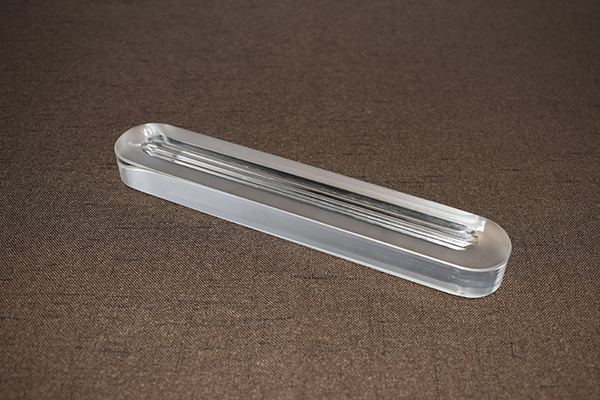
Sight glass is widely used in industrial equipment to provide visual monitoring of internal processes. Although designed for strength and durability, sight glass can still fail if exposed to unfavorable conditions. Understanding the common causes of breakage helps improve equipment safety and extend service life.
One of the most frequent causes is excessive pressure or pressure fluctuation. If the operating pressure exceeds the design limit of the glass, or if sudden pressure surges occur, the resulting stress may surpass the glass’s mechanical strength and lead to cracking or rupture.
Another major factor is thermal shock. Rapid temperature changes can create uneven expansion or contraction within the glass, generating internal stress. If the thermal stress exceeds the material’s tolerance, the glass may crack suddenly. This is especially common when hot equipment is exposed to cold cleaning fluids or ambient air.
Improper installation is also a common cause of failure. Uneven bolt tightening, excessive clamping force, poor gasket design, or misalignment in the mounting structure can introduce localized stress concentrations. Because glass is highly sensitive to concentrated stress, even small installation errors can significantly reduce its strength.
Surface or edge defects further increase breakage risk. Scratches, chips, rough edges, and microcracks created during manufacturing, transport, or installation can act as crack initiation points. Under pressure or thermal load, these defects may rapidly propagate.
Material mismatch is another issue. Using the wrong type of glass for the application—such as selecting standard glass instead of borosilicate or quartz for high-temperature service—can result in insufficient thermal or chemical resistance.
Chemical corrosion may also contribute over time. Exposure to aggressive chemicals, particularly strong alkalis or corrosive vapors, can gradually degrade the glass surface, reducing mechanical strength and transparency.
Finally, aging and fatigue from long-term cyclic loading, repeated heating/cooling, or environmental wear can weaken the glass even if no visible damage is present.
Glass failure is rarely random—it is usually the result of preventable engineering or operational factors.