News Detail
Basic Approach to Calculating the Thickness of Sight Glass
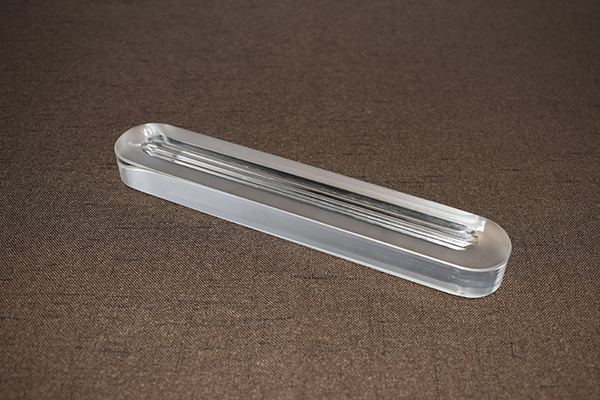
Sight glass is widely used in industrial equipment such as pressure vessels, pipelines, and reactors to provide visual monitoring of internal processes. Because it operates under pressure, temperature fluctuations, and sometimes corrosive environments, determining the appropriate glass thickness is essential for ensuring safety and reliability.
The fundamental principle of sight glass thickness calculation is based on mechanical strength and pressure resistance. The glass must be thick enough to withstand internal pressure without cracking or failing. In most cases, the calculation starts by identifying key parameters, including design pressure, diameter of the viewing area, allowable stress of the glass material, and safety factor.
A common approach is to treat the sight glass as a circular plate under uniform pressure. The maximum stress typically occurs at the center of the glass. Engineers use standard formulas derived from plate theory to estimate the required thickness. These formulas consider the relationship between pressure, radius, and material strength to ensure that the stress remains within safe limits.
Another critical factor is the type of glass material used. Materials such as tempered borosilicate glass or fused quartz glass have different mechanical properties, including tensile strength and thermal resistance. The allowable stress value used in calculations must match the selected material to ensure accurate results.
In addition to pressure, thermal stress must also be considered. If the equipment operates under high temperatures or experiences rapid temperature changes, the glass may expand or contract unevenly. Designers often increase the thickness or apply additional safety factors to account for thermal shock risks.
The installation structure also plays an important role. Sight glass is usually mounted within a metal frame or flange with sealing gaskets. Proper support can help distribute stress more evenly, allowing for optimized thickness without compromising safety.
Finally, engineers apply a safety margin to account for uncertainties such as material defects, long-term wear, or unexpected operating conditions.
We combine precise engineering calculations with high-quality materials to deliver sight glass solutions that meet strict industrial safety standards. Our products are designed to provide clear visibility, reliable strength, and long service life—even in demanding operating environments.