News Detail
Applications of Glass Materials in High Vacuum Environments
Glass materials are widely used in high vacuum systems due to their chemical stability, low outgassing, and excellent sealing performance. In industries such as semiconductor manufacturing, scientific research, and vacuum coating, glass plays a critical role in maintaining vacuum integrity and enabling precise observation and control.
One of the most important advantages of glass in vacuum environments is its low outgassing rate. Properly processed glass releases minimal गैases under vacuum conditions, which helps maintain stable pressure levels and prevents contamination of the system. This is especially important in high and ultra-high vacuum applications where even trace gases can affect performance.
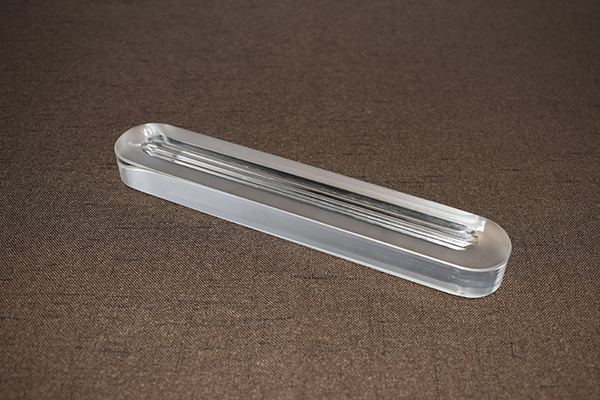
Glass is also widely used for vacuum viewports and observation windows. Its high transparency allows operators to visually monitor internal processes without breaking the vacuum. Materials such as borosilicate glass and quartz glass are commonly selected based on temperature and spectral requirements.
Another key application is in vacuum sealing and feedthrough components. Glass can form strong, hermetic seals with metals through specialized glass-to-metal sealing techniques. These seals are used in vacuum tubes, sensors, and electrical feedthroughs, ensuring reliable isolation between internal and external environments.
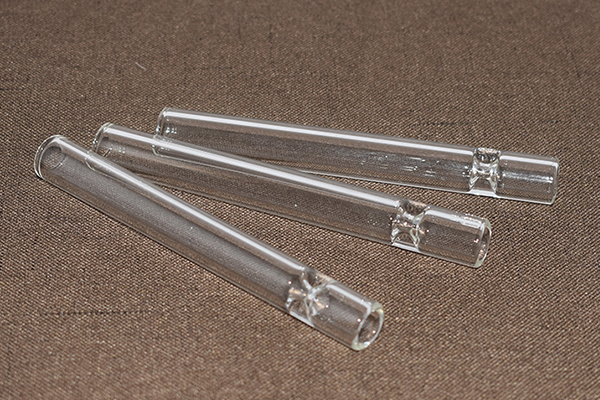
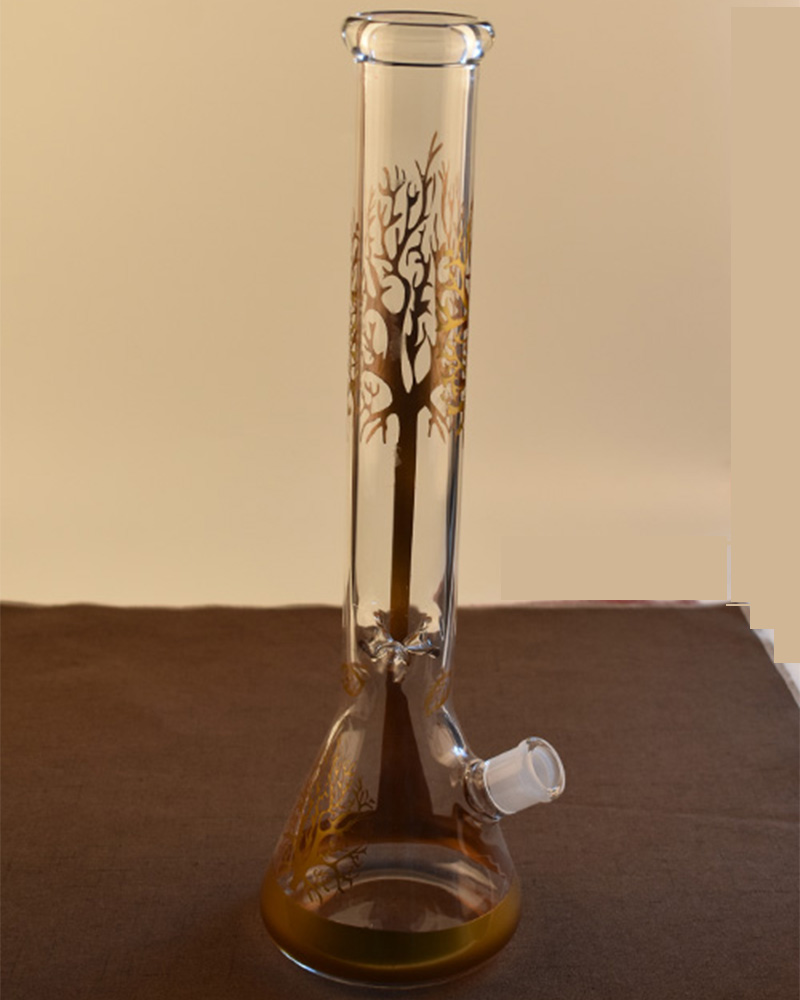
In vacuum chambers and laboratory apparatus, glass components are used for their chemical inertness and ease of fabrication. Glass tubing, flasks, and custom-shaped vessels are often integrated into experimental setups where both visibility and vacuum compatibility are required.
Thermal stability is another important factor. In vacuum systems that involve heating processes, such as thin-film deposition or material analysis, glass must withstand elevated temperatures without deformation or degradation. Quartz glass is particularly suitable for such conditions due to its high temperature resistance and low thermal expansion.
Surface quality also plays a critical role. Smooth, well-polished glass surfaces reduce adsorption sites for gases, further improving vacuum performance and cleanliness.
In high vacuum systems, material purity and stability are the foundation of performance.