News Detail
Application Scenarios of Glass Tubes in Industrial Equipment
Glass tubes are widely used in industrial systems due to their transparency, chemical stability, and thermal resistance. They serve both functional and monitoring roles across various industries, enabling safe operation and precise process control.
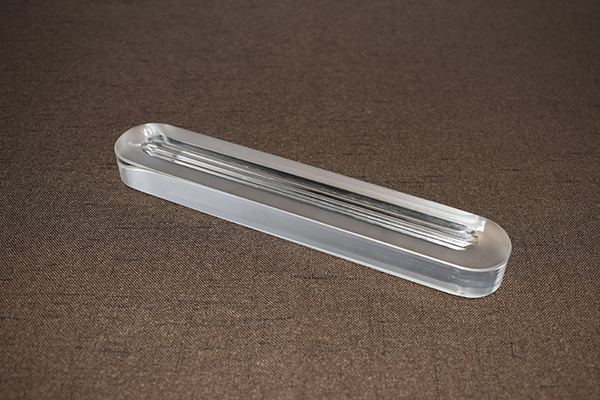
One of the most common applications is in level indicators and sight gauges. Glass tubes allow operators to directly observe liquid levels inside tanks and vessels without opening the system. This is especially important in chemical processing, where safety and real-time monitoring are critical.
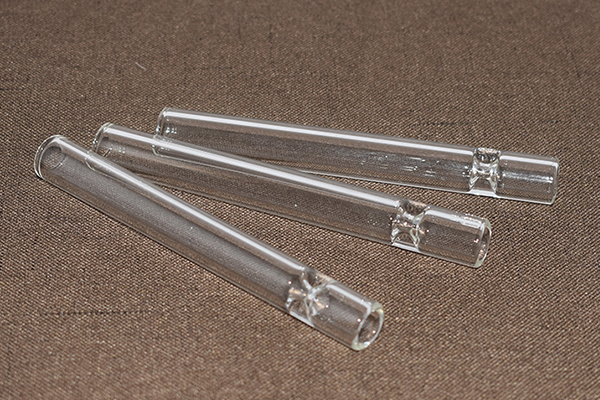
Glass tubes are also used in fluid transport for corrosive media. In environments involving acids, solvents, or high-purity chemicals, materials like borosilicate glass tubes or quartz glass tubes provide excellent corrosion resistance. They prevent contamination and maintain the purity of the transported substances, making them ideal for pharmaceutical and fine chemical industries.
In heat exchange and thermal systems, glass tubes can be used where visual monitoring of flow or phase change is required. Their ability to withstand moderate to high temperatures allows them to function reliably in controlled thermal environments.
Another important application is in laboratory and pilot-scale equipment. Glass tubes are commonly used in reactors, distillation setups, and analytical systems, where visibility and chemical inertness are essential for experimental accuracy and process development.
Glass tubes also play a role in lighting and optical systems, such as protective covers for lamps, UV systems, and inspection devices. Quartz glass tubes, in particular, are valued for their excellent transmission of ultraviolet and infrared light.
In gas handling and vacuum systems, glass tubes are used where leak-tight performance and chemical resistance are required. Their smooth internal surface reduces contamination and allows for stable gas flow.
Additionally, glass tubes are used in food and beverage processing equipment, where hygienic and non-reactive materials are necessary. Their transparency also helps in monitoring cleanliness and flow conditions.
When used in industrial environments, glass tubes are often combined with protective metal frames or external shields to enhance mechanical safety and resistance to impact.
Glass tubes are not just passive components—they are key elements in visibility, safety, and process control.