News Detail
Anti-Fog Treatment Techniques for Sight Glass: A Technical Overview
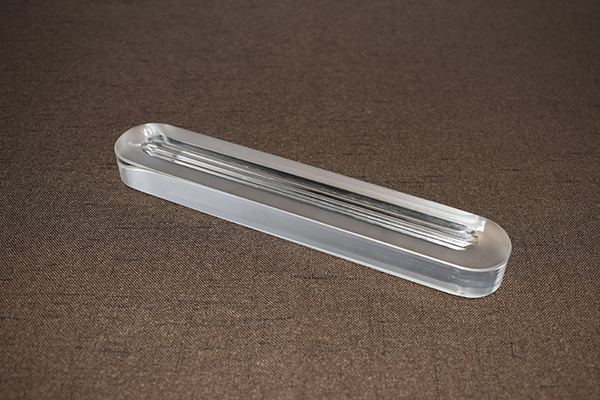
Sight glass is widely used in chemical equipment, pressure vessels, food processing lines, and pharmaceutical systems. However, fogging—caused by temperature gradients, humidity, or volatile chemicals—can obstruct visibility and affect operational safety. Anti-fog treatment technologies help maintain clear observation windows under challenging conditions. This article explains the most effective solutions and their working principles.
1. Hydrophilic Coatings
One of the most common anti-fog methods is the application of hydrophilic coatings. These coatings attract water molecules and spread condensation into an even, transparent film instead of forming light-scattering droplets. They are ideal for environments with high humidity or frequent temperature fluctuations. Hydrophilic layers are usually polymer-based and can be applied to both borosilicate and tempered glass.
2. Anti-Fog Nano Layers
Advanced nanoscale surface modifications improve the stability and durability of anti-fog performance. These treatments modify the glass surface energy, making it highly resistant to micro-droplet formation. Nano coatings often provide dual benefits—anti-fog and anti-scratch—making them suitable for long-term industrial use.
3. Conductive Heating Films
For extreme environments where fogging happens continuously, integrated heating systems can be applied. Thin conductive films installed around the sight glass deliver low-power heat, keeping the glass surface slightly above the dew point. This technique is widely used in high-pressure vessels, outdoor installations, and cold-room processing facilities.
4. Chemical Etching Treatments
Another method involves micro-etching the glass surface to create a fine matte texture that reduces droplet adhesion. This approach offers permanent anti-fog characteristics without requiring coatings, although it may slightly reduce optical clarity.
5. Selecting the Right Method
The choice of anti-fog technique depends on application environment, temperature range, and maintenance capability. Coatings are cost-effective, nano layers offer better durability, while heating is ideal for harsh, continuous fog conditions.
Conclusion
By choosing the appropriate anti-fog treatment, industries can ensure clear visibility, improve monitoring accuracy, and maintain the operational safety of equipment equipped with sight glass.