News Detail
The Flame Polishing Process for Borosilicate Glass Tubes
Flame polishing is a technique used in the glass industry to smooth and brighten the surface of glass objects. When applied to borosilicate glass tubes, this process creates a high-quality finish, eliminates surface defects, and improves mechanical strength. Here is a comprehensive look at how flame polishing works and what it achieves.
What Is Flame Polishing?
Flame polishing is a thermal finishing process that involves exposing the surface of a glass object to a high-temperature flame. The heat causes the surface layer of the glass to melt and flow, smoothing out microscopic irregularities, scratches, and surface tension lines. The result is a smooth, glossy, and transparent surface that is as clear as a mirror.
Unlike mechanical polishing, flame polishing is a non-contact, material-removing process. It does not involve abrasive tools or chemical compounds. Instead, it relies entirely on heat to reshape the surface of the glass.
Why Borosilicate Glass?
Borosilicate glass is an ideal candidate for flame polishing due to its unique properties. It has a relatively low softening point, around 820°C, which allows the surface to be treated without melting the entire object. Additionally, its low coefficient of thermal expansion means that the heat-affected zone is minimized, reducing the risk of thermal stress or cracking during and after the process.
The Flame Polishing Process
The flame polishing process begins with thorough surface preparation. The glass tube must be clean and free of contaminants, as dirt or grease can cause uneven heating or create bubbles in the polished surface. The glass tube is then placed in a holding fixture. The operator adjusts the oxygen and fuel (hydrogen or natural gas) supply to create a sharp, hot flame, with the hottest part of the flame—the inner cone—directed at the glass surface.
The surface is heated to approximately 800-900°C, at which point the outermost layer of glass becomes viscous and begins to flow. Controlled by the operator’s precise movement, the flame is passed evenly over the surface to achieve the desired finish. The surface tension of the molten glass naturally pulls it into a smooth, defect-free state.
After polishing, the glass is gradually cooled through an annealing process to prevent thermal shock and relieve internal stresses, preventing the formation of micro-cracks.
Applications and Benefits
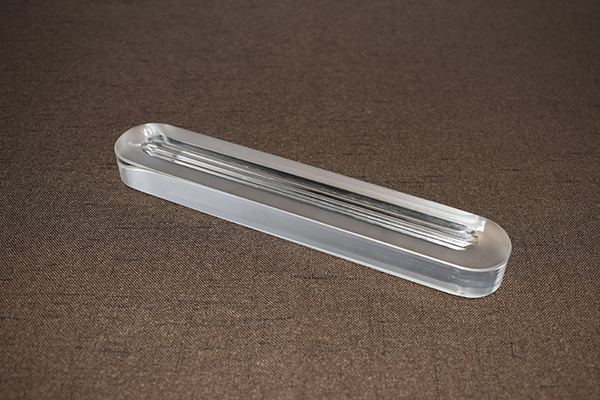
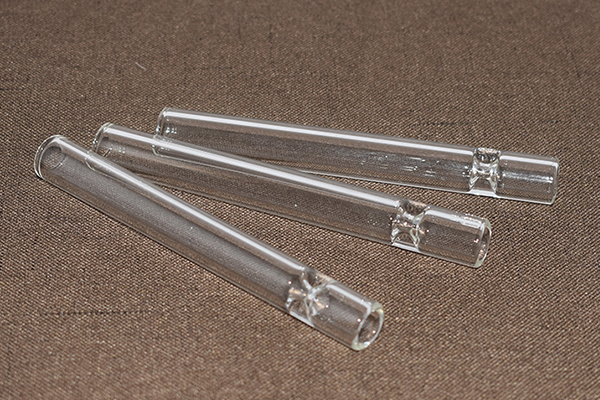
Flame polishing is widely used in the production of borosilicate glass tubes for applications such as flow meters, sight glasses, and laboratory glassware. The process offers several benefits: it produces a highly smooth and transparent surface, improves mechanical strength by removing surface micro-cracks, eliminates sharp edges without additional grinding, and is a relatively fast and efficient process compared to mechanical polishing, making it suitable for high-volume production.
The Bottom Line
Flame polishing is a specialized thermal technique that transforms the surface of borosilicate glass tubes, creating a mirror-like finish and enhancing their performance. By carefully controlling the heating and cooling cycle, manufacturers can produce high-quality tubes that meet the demanding requirements of modern applications. The result is a product that combines the optical clarity of glass with the strength and precision required for advanced technologies.