News Detail
Why Do Custom Glass Components Require Annealing?
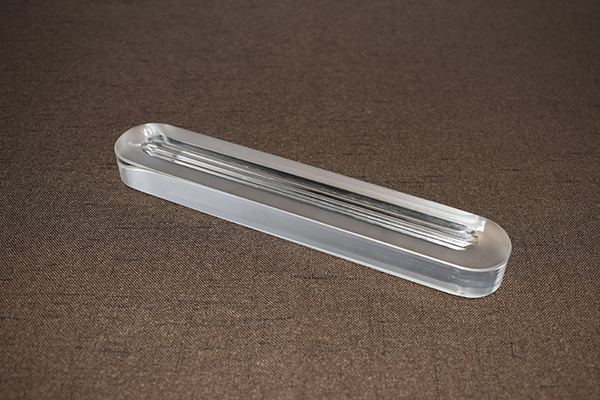
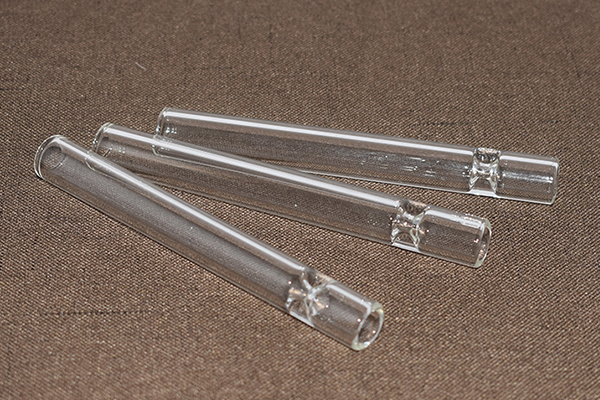
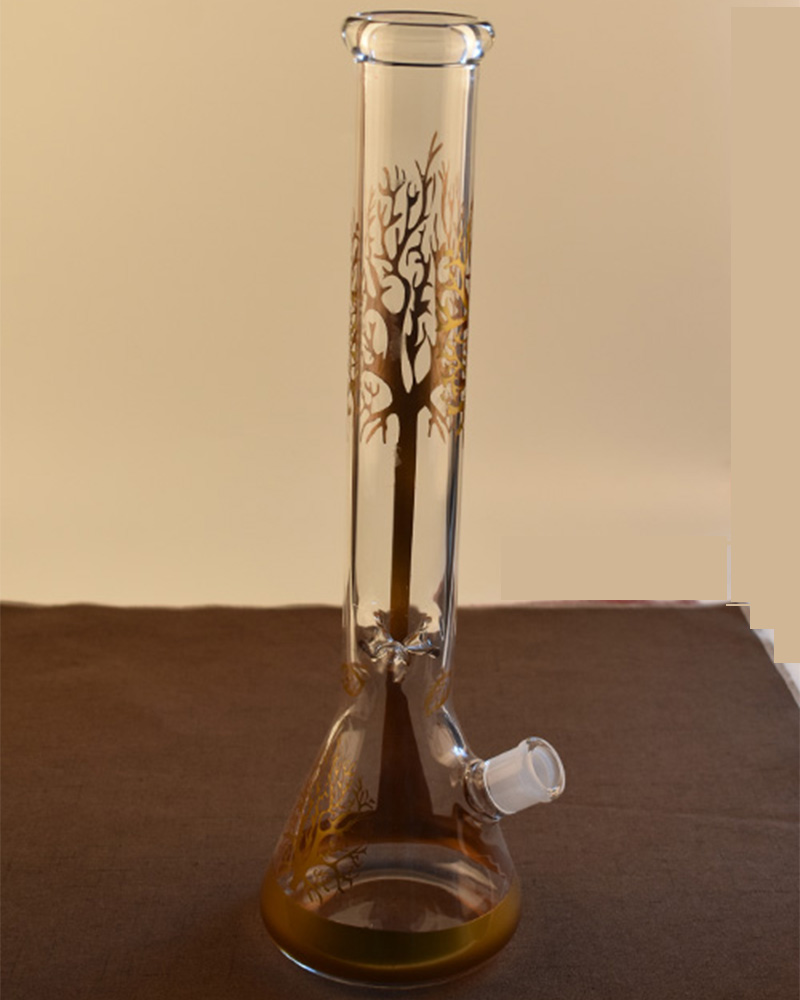
Custom glass components are widely used in industrial equipment, laboratory systems, optical devices, and specialized machinery. During manufacturing processes such as cutting, bending, drilling, shaping, and thermal forming, glass experiences significant temperature changes and mechanical processing. These operations can introduce internal stress, making annealing a critical step in ensuring product quality and long-term reliability.
The primary purpose of annealing is to eliminate residual stress inside the glass. During processing, different areas of the glass may cool at different rates. Uneven cooling causes certain regions to shrink or contract more than others, creating hidden stress within the material.
Although the glass may appear normal externally, residual stress can create several problems:
- Increased risk of sudden cracking
- Reduced mechanical strength
- Lower resistance to thermal shock
- Dimensional instability
- Shorter service life
Annealing addresses this issue by reheating the glass to a controlled temperature and then allowing it to cool gradually under carefully managed conditions. This process enables internal stress to redistribute and relax.
Annealing is especially important for custom-shaped glass parts because complex geometries often create uneven temperature distribution during manufacturing. Components with:
- Bends
- Holes
- Thick-to-thin transitions
- Irregular shapes
- Sharp corners
are more likely to develop localized stress concentrations.
Another important benefit of annealing is improved thermal performance. Glass components used in environments with repeated heating and cooling cycles require stable internal structures to avoid failure caused by temperature changes.
Annealing also supports better dimensional accuracy and consistency. Stress release helps reduce distortion and improves repeatability across production batches.
In optical applications, internal stress can affect light transmission and optical uniformity. Proper annealing helps maintain clearer and more stable performance.
To verify effectiveness, manufacturers often perform polarized light stress inspection, which reveals remaining internal stress patterns that may not be visible to the naked eye.
For custom glass, shaping creates the form—annealing secures the performance.