News Detail
Quality Inspection Methods for Industrial Sight Glass
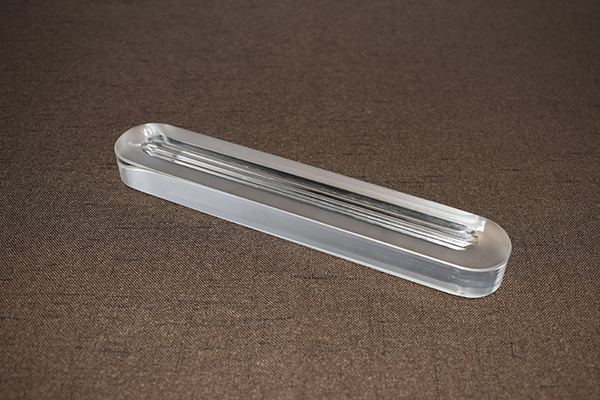
Industrial sight glass must meet strict requirements for strength, sealing reliability, and optical clarity, especially when used in pressure equipment or harsh environments. To ensure consistent performance and safety, a series of comprehensive quality inspection methods are applied during and after manufacturing.
1. Visual Inspection
The first step is a detailed check for surface defects such as scratches, bubbles, inclusions, edge chips, or cracks. Even minor defects can act as stress concentration points and reduce mechanical strength. Edge quality is particularly important, as flaws here can lead to premature failure.
2. Dimensional Measurement
Accurate dimensions are essential for proper installation and sealing. Tools such as calipers, micrometers, or coordinate measuring systems are used to verify thickness, diameter, flatness, and tolerance compliance. Strict dimensional control ensures uniform stress distribution during operation.
3. Optical Performance Testing
Sight glass must provide clear and undistorted visibility. Optical tests evaluate transparency, light transmission, and distortion levels. High-quality glass should allow accurate observation without visual interference.
4. Strength and Pressure Testing
Mechanical performance is verified through pressure resistance tests or bending strength tests. These ensure the glass can withstand the intended operating conditions with an adequate safety margin.
5. Thermal Shock Testing
To assess resistance to temperature changes, glass samples may undergo rapid heating and cooling cycles. This test evaluates the material’s ability to withstand thermal stress without cracking.
6. Residual Stress Detection
Residual stress from manufacturing can weaken glass. Polarized light inspection is commonly used to detect internal stress patterns. Properly annealed glass should show minimal internal stress.
7. Chemical Resistance Testing
For applications in corrosive environments, glass is tested against acids, alkalis, or solvents to ensure long-term durability and stability.
8. Edge Strength and Processing Quality Check
Special attention is given to edge grinding and polishing quality, as well-finished edges significantly improve strength and reduce failure risk.
9. Sealing Compatibility Testing
In assembled systems, tests may be conducted to verify gasket compatibility and sealing performance, ensuring leak-tight operation under pressure.
Reliable performance begins with rigorous inspection.